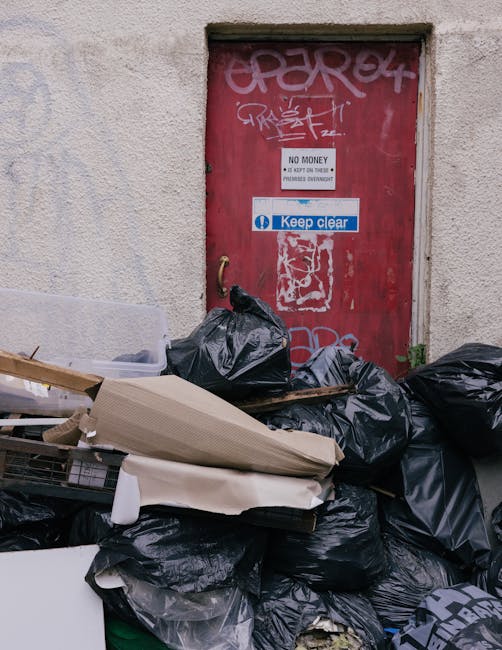
Avoid fines for skip permits and cleaning waste Lambeth
If you are arranging a skip, clearing renovation debris, or dealing with messy waste after a build, the last thing you want is a fine landing on the doormat. In Lambeth, a small mistake with a skip permit, where the skip is placed, or how waste is handled can quickly turn into an expensive headache. This guide explains how to avoid fines for skip permits and cleaning waste Lambeth by keeping things simple, legal, and practical from the start.
It is not just about paperwork. It is about timing, access, road space, safe disposal, and leaving the area tidy enough that nobody has reason to complain. Whether you are a homeowner, landlord, tradesperson, or business owner, the basics are similar: plan the waste properly, use the right collection method, and clean up thoroughly once the heavy lifting is done. Let's face it, a tidy site saves money and stress.
In this article, you will learn what skip permits are, when they are needed, how waste-cleaning expectations work in real life, the common mistakes that trigger penalties, and the best practices that keep a job moving without drama.
Table of Contents
- Why this matters in Lambeth
- How skip permits and waste cleaning work
- Key benefits and practical advantages
- Who needs this and when it makes sense
- Step-by-step guidance
- Expert tips for better results
- Common mistakes to avoid
- Tools, resources and recommendations
- Law, compliance, standards and best practice
- Options, methods and comparison table
- Case study or real-world example
- Practical checklist
- Conclusion
- Frequently asked questions
Why Avoid fines for skip permits and cleaning waste Lambeth Matters
Waste enforcement tends to feel boring until it becomes personal. Then it is suddenly very interesting, and very costly. In Lambeth, fines can arise when a skip is placed on a public road without permission, when waste blocks pavements or access routes, or when rubbish is left behind after the job should have been signed off and cleared.
The problem is not always obvious. A skip may seem neatly parked, but if it narrows a road, obstructs a dropped kerb, hides a junction, or creates a hazard for pedestrians, it may trigger a permit issue. Likewise, post-job cleaning waste can be treated as a nuisance if dust, debris, packaging, or residue are left in communal areas, around bins, or in shared entrances.
That matters especially in Lambeth, where many properties sit on tight streets, shared accessways, estates, and busy mixed-use roads. A small pile of plasterboard, a bag of sweepings, or a missed sweep around the skip can be enough to draw attention. Not exactly the sort of attention anyone wants.
There is also a wider issue: poor waste handling affects neighbours, landlords, building managers, and customers. A clean finish protects reputation as much as it protects the budget. If you are arranging any kind of end-of-job cleanup, it often helps to think in layers: remove the waste, clear the dust, and then inspect the edges and corners where problems usually hide.
Expert summary: The safest route is simple: confirm whether a skip needs permission, keep the waste contained, clean the surrounding area properly, and leave no loose residue or overflow behind. Most avoidable penalties come from rushing the last 10 percent.
That final sweep is often the difference between a smooth handover and a frustrating call-back the next morning.
How Avoid fines for skip permits and cleaning waste Lambeth Works
At a basic level, the process has two parts. First, you make sure any skip placement is lawful and sensible for the location. Second, you clean and manage the waste so the site does not create safety, access, or nuisance issues after the skip arrives or leaves.
1. Check the placement before the skip is delivered
If the skip is going on private land such as a driveway or enclosed yard, the process is usually easier. If it needs to sit on a road or other public space, a permit may be required. The exact arrangements depend on the location and the placing authority's rules, so it is wise to confirm before you book.
A quick mental check helps: can a vehicle pass safely? Can pedestrians get by? Will the skip block sightlines? Are there street features such as trees, lamp columns, bus stops, or parking restrictions nearby? These are the small details that trip people up.
2. Match the skip size to the actual waste volume
Overfilling a skip is a common way to attract problems. Waste should not be stacked above the rim, and heavy materials need careful loading. Mixed loads are often fine if managed correctly, but incorrect loading can make collection unsafe or lead to extra handling charges. If you are clearing bulky items, sometimes a house clearance approach is more practical than trying to force everything into one container.
3. Keep prohibited or awkward materials out of the skip
Some waste types need special treatment. Sharp items, electricals, liquids, chemicals, asbestos-like materials, and anything contaminated should not be treated casually. A lot of fines and call-backs start with "we just put it in the skip because it was there". That rarely ends well.
4. Clean the surrounding area as the waste comes out
Skip compliance is not only about the container. It is also about the site around it. Dust, crumbs of plaster, broken packaging, nails, screws, and grit can create hazards in entrances, paving, and shared corridors. For renovation jobs, a proper after builders cleaning service can make a huge difference because it deals with the fine dust that tends to drift into corners, sockets, and skirting lines.
5. Inspect before sign-off
Do not assume the job is finished just because the large waste is gone. Walk the route. Look near the front door, along the pavement edge, around bin stores, and by any communal access points. In a flats block, even a small scatter of debris can become a complaint. If you work in shared buildings, communal area cleaning is often the bit that prevents the awkward email later.
Key Benefits and Practical Advantages
Keeping skip use and waste cleaning under control brings benefits that go well beyond avoiding penalties. Some are obvious; others only become obvious after you have dealt with a messy handover once or twice.
- Lower risk of fines and enforcement action because the skip is placed and managed properly.
- Fewer delays since a compliant setup is less likely to be questioned or held up.
- Better site safety thanks to fewer trip hazards, loose fragments, and blocked access routes.
- Cleaner handovers for landlords, tenants, builders, businesses, and neighbours.
- Less reputational damage if you are a contractor or commercial operator.
- More predictable costs because last-minute corrections, resweeps, or additional collections are reduced.
There is also a practical comfort factor. When the waste is under control, everything else feels easier. Doors open properly, the pavement looks clear, the air feels less dusty, and the whole place just seems calmer. A bit of order goes a long way.
If your property has hard surfaces, it is worth considering follow-on cleaning after the skip is collected. A thorough hard floor cleaning can remove the gritty residue that is often left behind, while window cleaning helps clear the film of dust that settles after internal or external work.
Who This Is For and When It Makes Sense
This topic matters for a lot more people than you might expect. It is not just builders or rubbish-removal firms. In Lambeth, any project that generates bulky or messy waste can create permit and cleaning responsibilities.
Homeowners and landlords
If you are clearing a loft, emptying a flat, or refurbishing a kitchen, skip planning becomes essential quickly. A weekend DIY job can create more waste than people expect, especially once old flooring, units, packaging, and broken fixtures start piling up. For landlords, end-of-tenancy turnover is another common moment where skip use and cleaning waste overlap.
Tenants and letting teams
Move-outs often involve a mix of disposal and cleaning. If waste is not removed properly, it can affect deposit discussions, access for the next occupant, or building rules. In those situations, end of tenancy cleaning and move-out cleaning are often the sensible pair to consider.
Tradespeople and refurbishment crews
Builders know the truth: waste management is part of the job, not an afterthought. If you leave dust, rubble, plaster residue, or packaging near the work zone, it can affect safety and slow down the final sign-off. This is especially true after messy work such as plastering, demolition, or kitchen removal.
Business owners and facilities managers
Commercial sites often have communal entrances, loading restrictions, and customer traffic to think about. Even a well-planned waste collection can go sideways if it clashes with opening hours or shared access. For larger sites, a structured commercial cleaning plan helps keep things orderly without disrupting operations.
Truth be told, if your project involves other people walking past the area every day, you need a more careful plan than you do for a standalone house on a quiet street.
Step-by-Step Guidance
If you want the easiest route to stay compliant and avoid avoidable costs, follow this process in order. It is not glamorous, but it works.
- List the waste you expect to produce. Be realistic. Include hidden extras such as packaging, underlay, broken fixtures, old sealant tubes, dust bags, and offcuts.
- Decide whether you need a skip or another disposal route. Large mixed waste may suit a skip. Bulky household contents may be better suited to a house clearance arrangement. For heavy renovation waste, a skip may still be right, but only if it is sized correctly.
- Check the siting location. Private land is usually simpler. Public space requires more care, and you should confirm any permission or restrictions before delivery.
- Plan the loading order. Put heavy items in first and spread the weight. Do not mound waste above the rim. Keep sharp edges safe and secure.
- Protect the surrounding area. Lay down basic protection where needed, especially on delicate surfaces or communal flooring. In practice, this reduces scratches and drag marks.
- Book the cleaning phase at the same time. This is the bit people forget. If the job creates dust or residue, schedule the clean-up immediately after the waste is removed. Services like deep cleaning or one-off cleaning are often the right fit.
- Do a final inspection. Check entrances, thresholds, shared spaces, kerbs, bin areas, and corners. If there is grit underfoot, the site is not finished yet.
A small but useful habit: keep a bin bag and hand brush close by during the last stage. It sounds basic, almost embarrassingly basic, but a five-minute sweep often saves a twenty-minute clean-up later.
Expert Tips for Better Results
Here are the little things that make a big difference. These are not fancy tricks, just practical habits that reduce risk and frustration.
- Book earlier than you think you need to. Last-minute waste planning is where people start cutting corners.
- Measure access, not just the waste. A skip that fits the waste but blocks access is still a problem.
- Keep a photo record before and after. That can help if there is any question about the condition of the site or surrounding area.
- Separate cleaning from clearing. Clearing removes waste; cleaning removes the fine stuff. They are not the same thing.
- Do not ignore communal rules. Flats and managed buildings often have stricter expectations than single homes.
- Use the right finish for the surface. Carpet, vinyl, stone, laminate, and hard floors all react differently to dust and debris.
If the waste spill is messy, odorous, or spread into soft furnishings, a targeted clean can be more effective than a general once-over. For example, stain removal or pet stain odour removal may matter after certain clear-outs, especially in properties that have been empty for a while.
And one slightly boring but useful tip: keep the waste route separate from the clean route. If workers or residents keep walking through the same dusty path, you just move the mess around. Nobody needs that.
Common Mistakes to Avoid
Most fines and avoidable costs come from a handful of predictable mistakes. The good news is that they are usually easy to prevent once you know what to watch for.
- Assuming a roadside skip is automatically fine. It often is not. Always confirm permission requirements first.
- Overfilling the skip. Waste above the rim can cause collection problems and safety issues.
- Leaving loose debris around the skip. The container may be legal, but the mess around it still causes complaints.
- Mixing unsuitable waste types. Some items need separate handling.
- Forgetting communal areas. Hallways, lifts, shared entrances, and bin stores are easy to miss and hard to defend when left dirty.
- Cleaning too late. Once dust has been walked through the building, the job takes longer and costs more.
- Choosing a service based on speed alone. The fastest option is not always the safest or cheapest overall.
Common sense goes further than most people admit. If something feels awkward to move, too heavy, too messy, or too bulky for your plan, stop and rethink. Rushing usually creates the thing you were trying to avoid in the first place.
Tools, Resources and Recommendations
You do not need a van full of specialist gear to do this properly, but a few simple tools make everything easier.
| Item | Why it helps | Best use |
|---|---|---|
| Heavy-duty refuse bags | Contain dust, small fragments, and sweepings | Post-clearance tidy-up |
| Dustpan and stiff brush | Quickly gathers grit and loose debris | Paths, thresholds, skipside areas |
| Protective gloves | Helps with sharp or dirty waste | Manual handling |
| Floor protection | Reduces scuffs and transfer of dirt | Internal routes and communal access |
| Microfibre cloths | Trap fine dust rather than pushing it around | Final wipe-downs |
For larger or more sensitive jobs, it is usually smart to combine waste handling with professional cleaning. For example, renovation jobs may benefit from steam carpet cleaning if dust or residue has settled into fibres, while soft furnishings may need upholstery cleaning or sofa cleaning if they have absorbed fine grime.
On practical jobs, we also see value in pairing waste removal with oven cleaning during kitchen handovers, or mattress cleaning when a bedroom clear-out leaves soft items in less-than-ideal condition. It is all connected, really.
Law, Compliance, Standards and Best Practice
Because this topic touches on public space, waste, and safety, it is sensible to treat compliance seriously. In the UK, waste duties can involve the responsibility to dispose of waste properly, keep public areas clear, and avoid nuisance or obstruction. The exact rules vary by location and situation, so if you are dealing with a specific site in Lambeth, confirm the relevant requirements before work starts.
Best practice usually means:
- keeping skip placement lawful and safe;
- ensuring waste is contained and not spilling into public space;
- removing hazards such as nails, glass, dust, and loose fragments;
- protecting access for residents, customers, emergency users, and pedestrians;
- keeping records or notes where responsibility might later be questioned;
- using insured, competent cleaners or waste handlers where the job is commercial or high-risk.
If you are dealing with a property that has shared entrances or regular foot traffic, the standard of finish should be higher than "looks okay from ten feet away". That is not enough. A proper sweep, wipe, and final check matter because small residues quickly become slips, complaints, or call-backs.
For businesses and managed properties, it can be worth aligning waste cleanup with routine maintenance. A cleaner entrance, tidy frontage, and clear flooring help with professionalism as much as safety. If that sounds obvious, fair enough, but obvious things are often the ones people skip when deadlines are tight.
Options, Methods, or Comparison Table
There is more than one way to handle a waste-heavy job in Lambeth. The right option depends on volume, access, time pressure, and the kind of mess being created.
| Method | Best for | Main advantage | Main drawback |
|---|---|---|---|
| Roadside skip | Large volumes of mixed waste | Convenient for bulky loads | May need permission and careful placement |
| Private-land skip | Homes or sites with driveways/yards | Usually simpler to manage | Space can be limited |
| House clearance | Furniture, contents, and bulky clear-outs | Less manual sorting for the customer | Not ideal for all construction waste |
| Deep cleaning after clearance | Dusty, messy, or recently renovated properties | Removes fine residue and improves handover | Does not remove bulky waste itself |
The important thing is not choosing the "best" method in theory. It is choosing the one that matches the actual job. A little flat refurbishment, for example, may need a skip and a finishing clean. A full move-out might need clearance first and then a proper move in cleaning or move-ready clean after the space is emptied. One size does not fit all, which is annoying, but true.
Case Study or Real-World Example
Imagine a small flat refurbishment in Lambeth. The contractor removes old kitchen units, broken tiles, packaging, and some dusty plasterboard. A skip is booked for the job, but the building has narrow access and a shared entrance. On the first morning, there is already foot traffic from residents, and the hallway is catching a fine layer of white dust by midday.
In the old way of doing things, the team might have focused only on getting the waste out. But here, that would leave the building looking untidy and risk complaints from neighbours. The better approach is to keep the waste within the agreed zone, sweep the access route at intervals, and finish with a proper clean of the hallway edges, threshold, and floor surfaces.
That clean-up can include communal area cleaning for the shared parts, targeted dust removal on hard floors, and, if needed, facade cleaning around the entrance where dust has settled on external surfaces. The skip gets collected, the resident complaints do not happen, and the job ends on a calm note instead of a stressed one.
That is the real lesson. A waste plan is not only about disposal. It is about leaving the place as if the mess was never there. Almost. There will always be some trace, but it should be the sort of trace only the person doing the job notices.
Practical Checklist
Use this checklist before and after any skip or cleaning waste job in Lambeth:
- Confirm what waste will be produced.
- Decide whether a skip, clearance, or mixed approach is most suitable.
- Check whether the skip will sit on private land or public space.
- Confirm any permission or permit requirements before delivery.
- Keep the skip within safe loading limits.
- Separate any awkward or unsuitable items.
- Protect walking routes, floors, and shared access points.
- Schedule the clean-up immediately after the waste is removed.
- Sweep for dust, grit, nails, and fragments around the site.
- Inspect communal areas, entrances, and external thresholds.
- Take a final walk-through before sign-off.
- Keep notes or photos in case questions come up later.
If you can tick off all of those, you are in much better shape than most rushed jobs. Not perfect. Just properly managed. And that is enough to avoid a lot of pain.
Conclusion
Avoiding fines for skip permits and cleaning waste in Lambeth is really about being organised, not lucky. If you check placement early, use the right disposal method, keep the skip under control, and clean the surrounding area properly, you reduce risk and make the whole project feel more professional. That applies whether you are clearing a home, finishing a renovation, preparing a rental, or managing a commercial site.
What trips people up most is not the big stuff. It is the overlooked details: a dusty threshold, a blocked access route, one too many bags in the skip, or a shared hallway left with grit underfoot. Small things, but they matter. Quite a lot, actually.
For work that needs a tidy finish after disposal, using the right cleaning support can save time and keep everything above board. If your site needs a more careful reset, it is worth exploring services that fit the job and the surface, rather than trying to force one solution into every scenario.
Get a free quote today and see how much you can save.
When the waste is handled well, the whole place breathes easier. That is often the best sign you got it right.
Frequently Asked Questions
Do I always need a permit for a skip in Lambeth?
No, not always. If the skip sits entirely on private land, a permit may not be needed. If it is on a public road or another regulated space, you should check before delivery.
What kind of waste causes the most problems?
Overfilled mixed waste, sharp debris, bulky items left beside the skip, and dust spread into shared areas are common troublemakers. The awkward bits are usually the expensive bits.
Can I put building rubbish and household waste in the same skip?
Often yes, but only if the waste type is allowed and the load is managed properly. If the job includes hazardous or unsuitable items, you need a different plan.
How do cleaning waste fines usually happen?
They usually come from obstruction, spillover, unsafe access, or leaving residue in communal or public areas. A messy last sweep is more costly than people expect.
Is after builders cleaning worth it if the skip has already taken the rubbish away?
Yes, if there is dust, fine debris, or residue left behind. A skip removes the bulk. It does not remove the film of dust that settles on floors, trims, and fittings.
What should I clean after the skip is collected?
Start with the route around the skip, then check thresholds, pavements, entrances, floors, skirting lines, and communal spaces. Loose grit and small fragments are the main thing to catch.
What is the difference between house clearance and skip hire?
House clearance usually focuses on removing contents and bulky items, often with less hands-on sorting from the client. Skip hire is better for ongoing waste during a project or mixed disposal needs.
Can communal areas be included in the clean-up?
Yes, and in many Lambeth buildings they really should be. Hallways, lifts, bin stores, and shared entrances are where complaints often begin if they are left dusty or blocked.
How can I reduce the risk of complaints from neighbours?
Keep access clear, minimise noise where possible, avoid spillover, and finish with a proper clean. It sounds basic because it is. Basic, but effective.
What if I am not sure whether my waste needs special handling?
Pause and check before mixing it into general waste. If something seems contaminated, sharp, chemical, or otherwise awkward, it is safer to treat it separately.
Do I need professional cleaning after every skip job?
Not every job, no. But if there is dust, residue, or a shared access route involved, professional cleaning is often the sensible option. It saves time and prevents half-finished results.
What is the quickest way to stay compliant?
Plan early, confirm placement rules, avoid overfilling, keep the area tidy as you go, and inspect thoroughly at the end. Most problems are preventable if you slow down just a little.
See pricing and quote options if you are planning a cleanup or waste-related job and want a clearer idea of the next step.