Communal Area Cleaning in Lambeth
If you are looking for reliable communal area cleaning in Lambeth, you are probably dealing with the everyday realities of shared living or shared business premises: busy stairwells, fingerprints on doors, muddy footprints after a wet commute, bin store build-up, and the constant challenge of keeping communal spaces looking presentable for everyone who uses them. A professional local service can make a real difference, not just to appearance, but to hygiene, comfort, and the way residents, tenants, visitors, and customers feel about the building.
Lambeth is a busy and varied part of London, with everything from purpose-built apartment blocks and period conversions to estates, mixed-use buildings, office buildings, and commercial properties. Shared spaces in these settings need regular attention because they are used by many people throughout the week. Communal area cleaning in Lambeth is about more than a quick tidy-up; it is about keeping lobbies, hallways, staircases, lift areas, and shared facilities clean, safe, and welcoming.
Whether you manage a residential block near Brixton, own a converted townhouse in Clapham, oversee flats in Streatham, or need a dependable team for shared commercial premises in Vauxhall or Waterloo, a tailored cleaning schedule helps keep standards high. Local knowledge matters because access, parking, building layouts, and resident schedules can all affect how cleaning is carried out efficiently and respectfully.
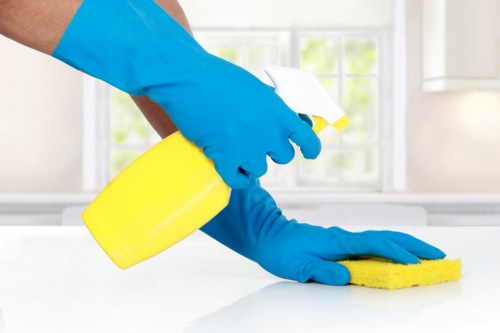
Why communal cleaning matters in Lambeth
Shared spaces are often the first part of a building that people notice. A clean entrance, polished handrails, and fresh-smelling corridors create a strong impression and set the tone for the rest of the property. In contrast, a neglected communal area can quickly feel untidy, poorly managed, and less comfortable to live or work in. That is why many landlords, managing agents, freeholders, resident associations, and businesses arrange regular communal area cleaning as part of their routine property care.
In Lambeth, this need is especially important because buildings are frequently busy and heavily used. Residential blocks may have multiple floors, shared bin stores, bike rooms, post areas, and entrance lobbies. Older buildings can collect dust more easily around ornate details and stair rails, while newer developments may show marks on glass, stainless steel, and polished surfaces. A good cleaning schedule helps keep on top of these issues before they become harder to manage.
There is also a practical side. Clean communal spaces can support better safety and reduce complaints from residents and tenants. Spillages, litter, dust build-up, and overflowing waste can create unpleasant odours or slipping hazards. By arranging regular cleaning, property managers can maintain a more orderly environment and reduce the amount of time spent dealing with avoidable issues.
Who benefits from this service?
Communal cleaning is useful for a wide range of customers across Lambeth, including:
- Residential block managers and managing agents
- Landlords with shared houses or converted flats
- Residents’ associations and freeholders
- Commercial property managers
- Office occupiers with shared corridors and washrooms
- Mixed-use developments with both residential and business access areas
Contact us today if you want a dependable cleaning arrangement that suits the way your building is used.

What communal area cleaning in Lambeth usually includes
Every property is different, so the exact specification should be based on the building layout, the number of residents or users, the level of foot traffic, and any shared facilities that need attention. A well-planned service can be adapted to fit a small converted building as easily as a larger block with several floors and multiple entrances.
Typical tasks may include dusting, vacuuming, sweeping, mopping, wiping down surfaces, removing litter, cleaning glass at low level, and making sure high-touch points are refreshed regularly. In a shared environment, these details matter because the same surfaces are used by many people every day. Handrails, door handles, push plates, intercom surrounds, and lift buttons are all examples of areas that often need extra care.
Depending on the property, communal cleaning can also cover bin areas, porch spaces, laundry rooms, internal windows, and entrance mats. If a building has a reception or concierge point, the cleaning plan may include that too. The aim is to create a consistent standard that reflects the building’s use and keeps it looking presentable between visits.
Common tasks can include
- Cleaning entrance halls and lobby areas
- Vacuuming and mopping stairs, landings, and corridors
- Dusting skirting boards, ledges, and surfaces
- Wiping doors, handles, banisters, and switches
- Cleaning lift interiors and surrounding panels
- Refreshing shared bin and recycling areas
- Removing visible litter and debris
- Cleaning internal glass and mirrors where required
Book your service now if you need a flexible approach that can be matched to the condition and usage of your building.

Why a local Lambeth team is useful
Choosing a local team for communal area cleaning in Lambeth brings practical advantages. Lambeth is not a one-size-fits-all borough. Streets can be busy, parking can be limited, and buildings may have different access arrangements depending on age, location, and use. A local provider is better placed to work around these realities and keep the service running smoothly.
For example, some properties have restricted entry, coded access, time-limited loading opportunities, or shared entrances that need careful handling to avoid disrupting residents and tenants. A nearby team can plan around morning departures, school runs, office hours, or quiet periods in the day. This can make cleaning less intrusive and more effective.
Local knowledge is also helpful when working across neighbourhoods such as Brixton, Stockwell, Kennington, Clapham, Streatham, Vauxhall, West Norwood, Herne Hill, Norwood, and Waterloo. These areas have different property styles and different day-to-day pressures. A team that understands the area is more likely to arrive prepared, adapt to access challenges, and keep communication straightforward.
What local experience can help with
Parking and access: Many Lambeth streets have tight parking conditions, controlled zones, or limited stopping space. A local cleaning team is more likely to plan ahead and reduce delays.
Building variety: From period mansion blocks to modern flats and commercial units, different properties need different cleaning methods and products.
Resident expectations: Shared buildings often involve many people with different schedules. A local service can help maintain consistency and minimise disruption.
Responsive scheduling: If your building needs extra attention after a refurbishment, a tenancy changeover, or a particularly busy season, local support is easier to arrange.
That local flexibility can be the difference between a service that simply turns up and a service that genuinely works for the building.

How the service works
Many customers want a simple process, especially when dealing with a block of flats, a managed estate, or a commercial building with multiple users. A good communal cleaning service should be straightforward from the start, with the cleaning plan shaped around your property rather than a fixed template. That makes it easier to maintain standards and avoid confusion about what is included.
Usually, the process begins with an assessment of the communal spaces and the current condition of the property. This allows the cleaning schedule to be aligned with the building’s needs. Some properties need frequent light maintenance cleaning, while others need a more detailed approach at the beginning before moving to a regular routine. The key is to create a practical plan that matches the level of use.
Once the schedule is agreed, the service can be delivered on a regular basis, with tasks completed in a set order so nothing important is missed. In busy shared properties, consistency matters. Residents and property managers want to know the common parts will be cleaned properly each time, not just when they become visibly dirty.
A typical service workflow
- Review the building layout and cleaning requirements
- Agree the areas to be cleaned and the visit frequency
- Carry out the cleaning using suitable products and equipment
- Focus on high-touch and high-traffic areas
- Report any obvious issues noticed during the visit, where appropriate
- Maintain the schedule and adjust it if the building’s needs change
If you need a service for a block of flats, mixed-use site, or shared workspace, request a free quote and discuss the routine that best fits your property.
Cleaning visits can often be arranged around:
- Resident routines
- Office opening hours
- Service access times
- Waste collection schedules
- Property manager inspection dates
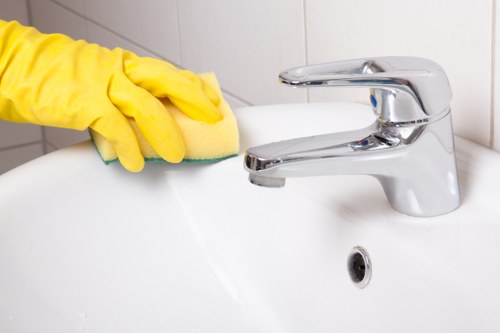
Residential and commercial communal cleaning across Lambeth
Lambeth contains a mix of homes, workplaces, and multi-use buildings, so communal cleaning needs can vary widely. A residential block may require regular stairwell and hallway cleaning to keep entrances tidy for residents and visitors, while a commercial building may need shared corridors, kitchens, and washrooms maintained to a professional standard. The service should reflect the type of property and the way it is used.
For residential customers, the main priorities are often appearance, hygiene, and everyday comfort. Residents want clean floors, fresh entrances, and shared spaces that do not feel neglected. For commercial customers, presentation and professionalism are equally important, especially if clients, staff, or contractors use the building regularly. In both cases, the right cleaning routine helps maintain a better environment for everyone.
Mixed-use properties can be more complex because the residential and business parts may have different access needs and cleaning requirements. That is where a flexible local service is especially helpful. The cleaning plan can be adapted so that shared spaces are not over-served or under-served, and the right areas receive attention at the right frequency.
Examples of properties that may need this service
- Apartment blocks and mansion blocks
- Converted houses and shared buildings
- Housing estates and managed developments
- Office buildings with shared circulation areas
- Mixed-use developments with common entrances
- Student accommodation or long-let properties
Whatever the property type, the goal is the same: a cleaner, safer, and more comfortable shared environment that people feel good about using every day. Contact us today to arrange a plan that suits your building.
What makes a good communal area cleaning service?
A good service should be consistent, thorough, and easy to work with. In a shared building, even small lapses can become noticeable quickly. Dust gathers, marks appear on walls, bins fill up, and entrances can lose their fresh appearance. That is why the best cleaning arrangements are regular, reliable, and suited to the specific property rather than rushed or generic.
Customers in Lambeth often want more than just surface-level cleaning. They need a team that respects the building, works carefully around residents and tenants, and understands where the problem areas are likely to be. A reliable cleaning routine should prioritise hygiene and presentation while also taking account of practical issues like access and security.
It also helps when communication is clear. If a building has a special request, a different entry procedure, or areas that require particular attention, these details should be incorporated into the plan. That reduces confusion and helps the service stay dependable over time.
Look for these qualities
- Clear and flexible cleaning schedules
- Attention to high-traffic areas and touchpoints
- Suitable care for different surfaces and building types
- Respect for residents, tenants, and property rules
- Understanding of local access and parking challenges
- Consistency from visit to visit
Preparation checklist for property managers and residents
Most communal area cleaning jobs can be carried out with minimal disruption, but a little preparation helps make the visit more efficient. This is especially useful in buildings with secure access, multiple entrances, or shared facilities that may be in use throughout the day.
If you are arranging a cleaning service for a building in Lambeth, it can be helpful to review the space before the first visit and decide which areas need priority. Some buildings need attention to entrances and stairwells, while others may also need bin stores, bike rooms, or internal glass cleaned regularly. The more clearly the requirements are set out, the more effectively the service can be delivered.
A simple checklist can save time and avoid misunderstandings. It also gives residents or building users a better idea of what the cleaning team will do and what should be kept clear before each visit.
Useful preparation checklist
- Ensure access codes, keys, or entry instructions are available
- Remove personal belongings from shared floors or landings
- Keep hallways and stairwells clear where possible
- Check whether bins need to be moved or emptied first
- Note any areas that need extra care or are temporarily out of use
- Share any building rules that affect timing or entry
If your building has regular issues with litter, muddy footwear, or bin room smells, mention these during the quotation stage so the routine can be built around them.
Pricing factors for communal cleaning
Without giving fixed prices, it is useful to understand what usually affects the cost of communal cleaning in Lambeth. The price is often shaped by the size of the property, the number of floors, the level of daily foot traffic, the type of surfaces being cleaned, and the frequency of visits needed to keep standards high. A small residential conversion with one staircase will not require the same level of work as a larger block with several entrances and shared facilities.
Access arrangements can also affect the time required. If a building has secure entry, complex parking, or multiple separate areas to clean, the visit may take longer than a straightforward site. Similarly, if a property needs more detailed work at the outset because it has been neglected or recently renovated, that can influence the initial quotation.
Another factor is the cleaning specification itself. Basic maintenance cleaning is different from a more detailed schedule involving bin stores, internal windows, and additional touchpoint cleaning. A clear description of the building and its needs is the best way to receive an accurate quote that reflects the actual work required.
Common pricing influences
- Size and layout of the communal areas
- Number of floors, entrances, and staircases
- Cleaning frequency requested
- Condition of the property at the start
- Special areas such as bin stores or bike rooms
- Access complexity and timing restrictions
Request a free quote if you want a clearer idea of what your building needs and how the service can be structured.
Areas covered in and around Lambeth
A local communal cleaning service for Lambeth should be able to support a broad range of neighbourhoods and building types. This includes well-used residential areas, busy transport-linked locations, and mixed-use streets where people pass through all day. Because the borough has such varied property stock, flexibility is especially important.
Typical areas served may include Brixton, Clapham, Stockwell, Streatham, Kennington, Vauxhall, Waterloo, Herne Hill, West Norwood, Norwood, Oval, and surrounding parts of Lambeth. Whether your building is close to a main road, tucked away on a side street, or part of a larger estate, the cleaning plan can be adapted to suit the setting.
That local coverage can also help with logistics. When a team knows the area well, it is easier to organise visits efficiently and work around the practical challenges of city property management. This can be especially useful where access is tight, parking is limited, or the building has specific visitor rules.
Why customers choose regular cleaning instead of occasional visits
Some customers only think about communal cleaning when a building starts to look tired, but regular maintenance is usually the more effective approach. Shared spaces are used constantly, so dirt and marks build up steadily rather than all at once. By cleaning regularly, you can prevent the gradual decline that often leads to larger complaints or more intensive work later.
Regular service is also easier for residents and property managers to live with. A routine cleaning pattern means people know what to expect, and problems can be dealt with before they become a bigger issue. This is particularly valuable in Lambeth, where many properties have busy entrances and a lot of daily movement.
For landlords and managers, regular cleaning can also support better building reputation. It shows that the shared environment is being looked after, which helps create a more positive experience for the people living or working there. In practical terms, that can mean fewer cleaning-related complaints and a better standard of presentation all round.
Benefits of regular communal cleaning
- Better first impressions for residents and visitors
- Reduced build-up of dirt, dust, and litter
- Cleaner touchpoints and shared surfaces
- More comfortable and pleasant communal areas
- Support for property management standards
- Less reactive cleaning and fewer avoidable issues
Frequently asked questions
How often should communal areas be cleaned?
That depends on the building and how many people use it. Busy blocks and commercial properties often need weekly or more frequent visits, while smaller shared buildings may need less frequent cleaning. The right frequency should be based on use, not just size.
Can the cleaning be arranged around residents or staff?
Yes. A local service should be able to work around access requirements, resident routines, and business hours where needed. This is particularly useful in Lambeth, where many buildings have different schedules and entry rules.
What if our building has difficult access or limited parking?
That is common in Lambeth, especially in busier parts of the borough. A local team can usually plan ahead and build the route and visit timing around access and parking conditions.
Do you clean only residential blocks?
No. Communal cleaning can also apply to office buildings, mixed-use properties, and other shared spaces that need regular maintenance.
Can the service include bin stores and other shared rooms?
Often yes, depending on the building and the agreed specification. Bin areas, bike rooms, and similar shared spaces are commonly included when they form part of the communal environment.
How do I get started?
Simply contact us today to discuss your building, the areas you want cleaned, and the visit frequency you are looking for. You can then book your service now or request a free quote based on your property’s needs.
Final thoughts for Lambeth customers
If you are responsible for a block of flats, a shared house, a mixed-use development, or a commercial property in Lambeth, a well-managed communal cleaning service can make everyday life noticeably easier. It keeps entrances smarter, shared areas more hygienic, and the whole building more pleasant for everyone who uses it. In a borough with busy streets, varied property types, and a lot of daily movement, that kind of consistency is valuable.
From Brixton and Clapham to Streatham, Vauxhall, Stockwell, Kennington, and beyond, a reliable local team can provide the steady support your building needs. The right service will understand the property, respect the people who use it, and work around the practical realities of access, parking, and shared schedules. If you want a cleaner, better-managed communal environment, contact us today and ask for a free quote.
Communal area cleaning in Lambeth should be simple, dependable, and tailored to your building. With the right routine in place, shared spaces stay cleaner for longer, residents feel more comfortable, and property managers have one less issue to worry about.