Basement deep cleaning access issues Brixton Road Lambeth
Posted on 24/06/2026
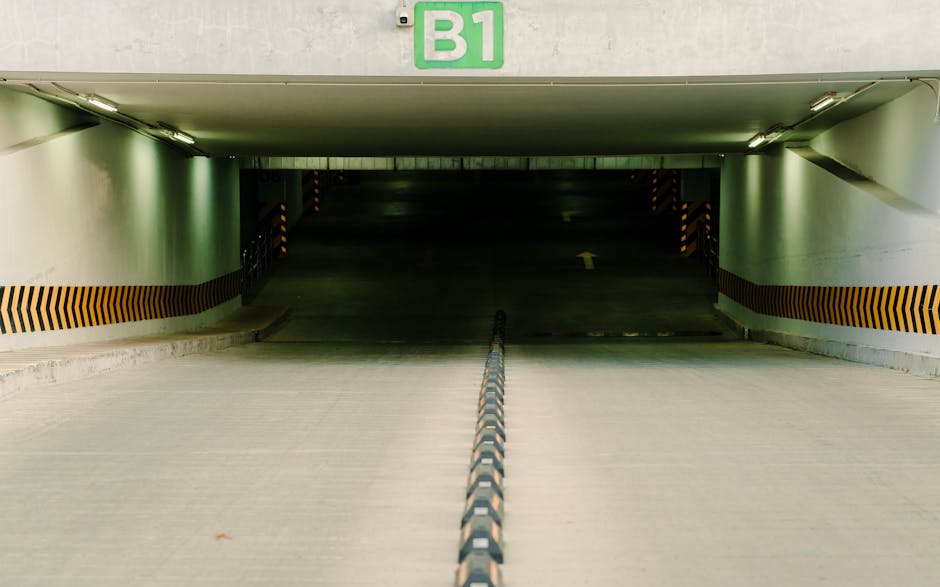
Basement Deep Cleaning Access Issues Brixton Road Lambeth
Basement deep cleaning sounds straightforward until you meet the real problem: access. On Brixton Road in Lambeth, basements can sit below busy pavements, behind narrow stairwells, through shared hallways, or under awkward storage spaces that have collected years of dust, damp, and forgotten clutter. That is where Basement deep cleaning access issues Brixton Road Lambeth becomes a practical challenge, not just a search phrase.
If you are dealing with a cramped stairwell, low headroom, heavy items, or a building layout that makes even getting equipment downstairs a bit of a chore, you are not alone. The good news? With the right preparation, cleaning plan, and expectations, a basement can be cleaned thoroughly without creating disruption, damage, or unnecessary stress. This guide walks through what matters, what usually goes wrong, and how to approach the job sensibly.
- Why access matters in basement deep cleaning
- How the cleaning process works in tight spaces
- Key benefits and practical advantages
- Who needs this and when it makes sense
- Step-by-step guidance
- Expert tips for better results
- Common mistakes to avoid
- Tools, resources and recommendations
- Law, compliance, standards and best practice
- Options, methods and comparison table
- Case study or real-world example
- Practical checklist
- Conclusion
- Frequently asked questions
Why Basement deep cleaning access issues Brixton Road Lambeth Matters
Access shapes everything about a basement clean. If the route is awkward, the job takes longer, equipment choices change, and the risk of accidental damage rises. In Lambeth, especially around Brixton Road, buildings often reflect a mix of older stock, converted properties, and compact urban layouts. That means stairs may be steep, corridors narrow, and turning circles tight. You notice these things fast when carrying vacuums, wet extraction machines, or buckets of cleaning solution.
It matters because poor access can lead to rushed work. And rushed work is where corners get cut: missed dust in skirting edges, half-cleaned flooring, damp left behind, or furniture not moved properly. If the basement is used for storage, a rental room, an office archive, or a utility space, those issues can become expensive later. A careful access plan keeps the clean thorough and the property safer to use.
There is also the local reality. Brixton Road is a busy stretch, so timing matters if equipment needs to be moved in and out without blocking neighbours, stairwells, or shared entrances. One small detail can make a big difference. For example, confirming where the team can park briefly or where tools should be carried from can save a lot of faffing about on the day.
If you are also weighing up broader cleaning support around the property, it can help to look at the wider range of local services and guidance in the services overview and the company's about us page, especially if the basement is part of a larger end-of-tenancy or domestic clean. For related surface care, the pages on carpet cleaning in Lambeth and domestic cleaning can also be useful context.
How Basement deep cleaning access issues Brixton Road Lambeth Works
In practice, basement deep cleaning starts before any scrubbing begins. The first task is to assess the route in and out. That means looking at stairs, door widths, ceiling height, turning points, floor condition, and any obstacles such as bikes, boxes, prams, boilers, or pipework. In some properties, the access challenge is not the basement itself but the path to it.
Once access is understood, the cleaning plan can be matched to the building. A compact, lightweight set-up may be better than bringing oversized machinery. Sometimes a split approach works best: dry debris removal first, then detailed dusting, then floor treatment, then final moisture control. That sequencing matters. In a basement, you do not want to trap grime under damp cleaning residue. Truth be told, basements can punish sloppy sequencing.
The cleaning method should reflect the surface types too. Concrete, sealed wood, tiled floors, stored soft furnishings, and pipe surrounds all behave differently. A deep clean in a basement is often more about controlled precision than brute force. You work around tight corners, low light, and the occasional awkward smell that tells you the space has been sitting quiet for too long.
For more on quote structure and service expectations, it is sensible to read around pricing transparency before agreeing scope. The article on avoiding hidden charges in Lambeth cleaning quotes is a good companion piece if you want to know what should be included and what needs to be clarified up front.
Key Benefits and Practical Advantages
A well-managed basement clean does more than make the space look better. It makes the room more usable, reduces lingering dust, and can help identify small maintenance issues early. When access is handled properly, the whole job becomes safer and more efficient.
- Less disruption: clear access planning avoids repeated trips, delays, and unnecessary disturbance to neighbours or other occupants.
- Better cleaning quality: cleaners can reach corners, low ledges, and hidden build-up instead of working around obstacles.
- Reduced damage risk: narrow stairs and tight doors are easier to protect when the route is mapped beforehand.
- Improved hygiene: basements often hold dust, damp residue, and forgotten debris that need more than a surface wipe.
- Better long-term upkeep: once the basement is genuinely clean, it is much easier to keep it that way.
There is also a financial angle. If a basement clean is properly planned, it tends to avoid unnecessary repeat visits. That can matter whether the space is being prepared for a sale, let, or handed back at the end of a tenancy. People often underestimate how much access affects cost. A two-minute delay in one narrow stairwell becomes a twenty-minute issue once equipment, waste bags, and wet surfaces are involved.
For property-related jobs in the area, the local articles on selling homes fast in Lambeth and real estate confidence in Lambeth are useful if you are thinking about how presentation and maintenance affect a property's value or appeal.
Who This Is For and When It Makes Sense
This type of cleaning is relevant for a few different people, and not just landlords or property managers. If the basement is part of everyday life, access issues can quickly become everyone's problem.
- Homeowners with storage basements, utility rooms, or converted lower-ground spaces.
- Renters who need to return a basement or lower-floor area in good condition.
- Landlords preparing a property for new occupants after a long let.
- Estate agents and sellers trying to present a property cleanly and honestly.
- Small business owners using basement stockrooms, archive space, or staff areas.
- Managing agents coordinating access in shared buildings where timing is everything.
It makes sense when the space has been ignored for a while, after water ingress has been checked, before decorating, or before a move. It also makes sense when the basement smells stale or has a layer of dust that keeps coming back no matter how many times someone gives it a quick once-over. Let's face it, basements can do that.
If the clean is tied to moving out, a combined approach with end-of-tenancy support may be the neatest route. The page on end of tenancy cleaning in Lambeth is worth exploring in that case. For mixed-use properties or workplace storage areas, office cleaning in Lambeth may also be relevant.
Step-by-Step Guidance
Here is a practical way to approach basement deep cleaning with awkward access. Keep it simple, but do not skip the basics.
- Inspect the access route. Measure door widths, note stair turns, check for low beams, and identify any fragile finishes.
- Clear the path. Move loose items, shoes, bikes, storage boxes, and anything that could trip someone or block equipment.
- Protect sensitive areas. Put coverings on bannisters, corners, thresholds, and any surface likely to scuff.
- Decide the cleaning sequence. Dry debris first, then detail work, then floor treatment, then final checks.
- Match equipment to the route. Use what fits. Big machinery is useless if it cannot turn the corner.
- Control moisture carefully. Basements and excess water are not best friends. Use only what the space can handle.
- Ventilate where possible. Fresh air helps dry surfaces and reduces lingering odour.
- Finish with a walkthrough. Check hidden corners, behind pipes, under shelves, and along the skirting line.
A small but useful detail: plan the order of removal as well as the order of cleaning. If waste or clutter needs to go out, do it in a way that keeps the cleaned route protected. Otherwise you end up cleaning the same bit twice. Nobody enjoys that, especially on a damp afternoon when the stairwell is already a bit echoey and awkward.
Expert Tips for Better Results
From a practical point of view, the best basement cleans are the ones that are prepared before the cleaner even arrives. A few small choices make the whole job easier and safer.
- Use staged clearing. If the basement is full, clear one section at a time so access stays safe and progress stays visible.
- Label anything that must remain. In storage-heavy basements, labels stop useful items being mixed up with rubbish.
- Check lighting. Basements often look cleaner than they are simply because the light is poor. Bring proper lighting if needed.
- Watch the smell test. Musty odours can indicate trapped moisture, hidden dust, or neglected fabrics.
- Don't over-wet floors. Slow drying time in a basement can create a fresh problem while solving the old one.
One practical tip that saves a lot of grief: take a quick photo of the space before the job begins. Not for drama, just for reference. It helps everyone remember what was there, what was moved, and what was cleaned. A simple habit, but surprisingly useful.
For rooms with fabric furniture or rugs stored downstairs, you may also want to look at upholstery cleaning in Lambeth and the article on upholstery cleaning near Lambeth Palace if you want a sense of how soft furnishings are treated in more awkward settings.
Common Mistakes to Avoid
The most common mistakes are often the simplest ones. A basement clean does not usually fail because of some exotic technical issue. It fails because the access was not taken seriously enough.
- Ignoring measurements: assuming the equipment will fit is how delays start.
- Leaving clutter in place: cleaning around boxes and furniture always gives a weaker result.
- Using too much water: basements dry slowly, and lingering moisture can become a bigger problem than the dirt.
- Forgetting shared spaces: hallways, stair rails, and entry points can be damaged if protection is overlooked.
- Not discussing parking or arrival timing: on a road like Brixton Road, this can affect the whole schedule.
- Assuming all basements are the same: a storage cellar is not the same as a converted living space.
There is also a common mindset mistake: people think access issues are an inconvenience, when in reality they shape the cleaning method. Once you accept that, the job becomes much easier to plan. A bit boring, maybe. But effective.
Tools, Resources and Recommendations
You do not need a warehouse full of kit to clean a basement well, but you do need the right kind of tools for a tight, low-level environment. In many cases, a smaller and more adaptable set-up is better than heavy machinery.
| Tool or approach | Best use | Why it helps in tight basement access |
|---|---|---|
| Compact vacuum or handheld vacuum | Dust, debris, corners, skirting | Easier to carry down stairs and manoeuvre around storage |
| Microfibre cloths and detailing brushes | Edges, pipes, shelves, ledges | Useful where larger tools cannot reach cleanly |
| Low-moisture cleaning method | Floors that should not be soaked | Reduces drying time and damp risk |
| Floor protection and corner guards | Shared staircases and narrow entrances | Helps prevent scuffs during movement in and out |
| Good lighting | Inspection and detail work | Stops dirt hiding in shadowed areas |
For broader service planning, the site's pricing and quotes page can help you think about what should be included in a proper estimate. If payment and booking reassurance matter, the payment and security information is also worth a look.
If you want to understand the company's general working standards before booking anything, the pages on insurance and safety and health and safety policy are the sensible place to start.
Law, Compliance, Standards, or Best Practice
Basement cleaning itself is usually an ordinary property service, but access issues bring in safety and duty-of-care considerations. That means taking care around slips, trips, manual handling, ventilation, electrical equipment, and any signs of damp or contamination. In the UK, sensible practice is to treat the space as one where careful planning matters, especially if stairs are steep or the building is shared.
Best practice usually includes:
- clear access routes before work begins
- safe lifting and carrying of equipment
- attention to wet floors and drying times
- protection for walls, bannisters, and thresholds
- communication with occupants where shared access is involved
If the basement has signs of damp, mould-like staining, damaged plaster, or water ingress, it is better to pause and assess rather than clean straight over the problem. A thorough clean is not a substitute for repair. That sounds obvious, but people skip it all the time. Sometimes because they are in a rush, sometimes because they just want the room to look decent by Friday.
Where tenancy or landlord requirements are in play, you may also want to review related cleaning expectations in the article on common landlord carpet cleaning problems in Lambeth. It gives a useful sense of where disputes often arise and how to avoid them.
Options, Methods, or Comparison Table
Not every basement needs the same approach. The right method depends on access, floor type, contents, and how dirty the space actually is. Here is a simple comparison.
| Method | Best for | Pros | Watch out for |
|---|---|---|---|
| Dry deep clean first | Dusty, cluttered, storage-heavy basements | Gets rid of loose grime before moisture is introduced | Takes time if the space is heavily packed |
| Low-moisture clean | Basements with slow drying or damp sensitivity | Safer for moisture-prone spaces | May need more detail work |
| Targeted spot treatment | Small problem zones, stains, or localised dirt | Efficient and less disruptive | Not enough for neglected spaces |
| Full declutter then deep clean | Long-ignored basements or pre-move spaces | Best overall finish and access | Requires time, coordination, and disposal planning |
For some properties, a mixed approach is the most realistic. You might clear access and deal with the floor on day one, then return for upholstery, rugs, or adjacent rooms later. That is not a compromise; it is usually the smarter plan.
Case Study or Real-World Example
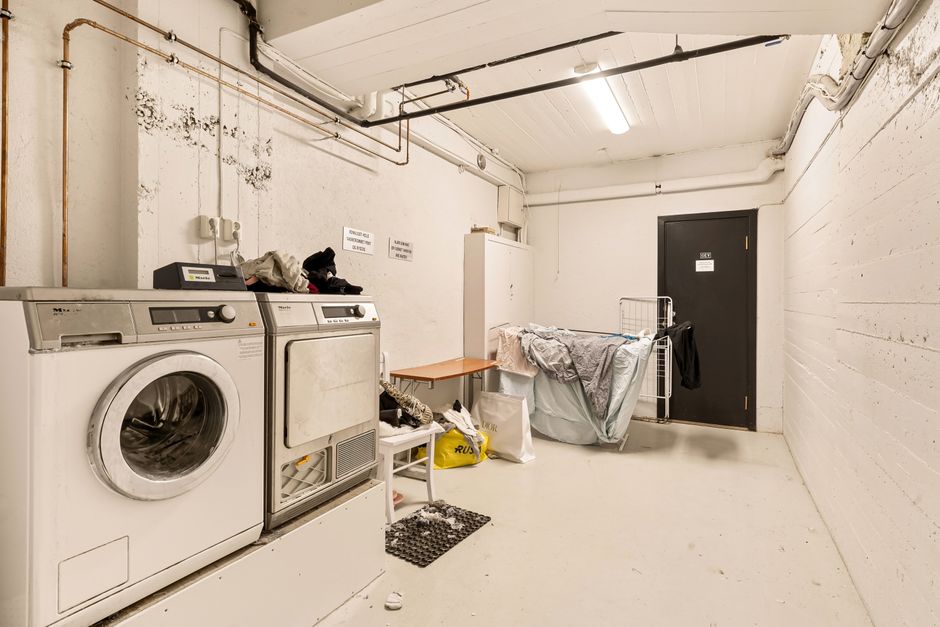
Here is a realistic example based on the sort of basement job people often face around Brixton Road. A lower-ground storage room had been used for boxes, spare chairs, seasonal items, and a few old soft furnishings. The access was via a narrow internal staircase with a sharp turn halfway down. Nothing dramatic. Just awkward enough to slow everything.
The first step was to clear the route and separate keep items from unwanted items. That alone made the stairwell safer. Then the cleaner used smaller equipment rather than trying to force a bulky machine through the turn. Dust was removed from the corners and around the pipework first, followed by the floor, which needed careful moisture control because the room had a faint damp smell and poor airflow.
What made the difference was the order of work. By treating access as part of the plan, not an afterthought, the clean was completed without scuffs on the banister, without extra trips, and without a long drying wait. A small thing, but important. The space ended up feeling usable again instead of just looking briefly tidy.
To be fair, that is the real target with basement deep cleaning: not perfection for its own sake, but a space that feels under control.
Practical Checklist
Use this checklist before the clean begins. It keeps the job moving and avoids the usual headaches.
- Measure the stair width, door frames, and any tight corners
- Clear the main access route from top to bottom
- Identify fragile surfaces that need protection
- Check for damp patches, leaks, or damaged finishes
- Decide what stays, what moves, and what goes
- Make sure lighting is adequate
- Confirm how equipment will be carried in and out
- Plan drying time, especially for low-ventilation basements
- Keep hallways and shared areas protected
- Do a final walkthrough after the clean
Expert summary: if access is tight, the clean should be designed around the space, not forced through it. That one idea saves time, preserves surfaces, and usually gives a better finish. Simple, yes. But it works.
If the basement is part of a larger clean-up project, you might also find the broader local content helpful, especially the carpet cleaning near Waterloo Station and same-day sofa cleaning in Vauxhall articles, which show how timing and access can affect service planning in nearby parts of South London.
Conclusion
Basement deep cleaning access issues in Brixton Road, Lambeth are really about making the job workable before anyone starts cleaning. Once the route, layout, moisture risks, and equipment choices are understood, the rest becomes much smoother. You get better results, less disruption, and far fewer awkward surprises halfway down a stairwell.
The key is not to rush the setup. Measure, clear, protect, and then clean in a sensible sequence. If you do that, even a difficult basement can be brought back to a healthy, orderly state without turning the whole day into a logistical puzzle.
Get a free quote today and see how much you can save.
And if you are still in the planning stage, that is fine too. A good basement clean starts with a realistic look at the access, not a heroic attempt to wing it. That bit of honesty usually pays off, and then some.