Common problems with landlord carpet cleaning Lambeth
Posted on 11/06/2026

If you're dealing with Common problems with landlord carpet cleaning Lambeth, you're probably in one of two situations: you're a landlord trying to hand back a property in decent shape, or a tenant trying to avoid a messy dispute at move-out. Either way, carpet cleaning sounds simple on paper and then, suddenly, it isn't. Stains reappear, carpet edges lift, the room smells damp for a day too long, and somebody says the carpet "still doesn't look right." Sound familiar? Truth be told, this is where a lot of friction starts.
This guide breaks down the real issues people run into in Lambeth, why they happen, how to prevent them, and what a sensible cleaning process should look like in the first place. It's written to help you make better decisions, not just tick a box.
Why Common problems with landlord carpet cleaning Lambeth matters
In Lambeth, carpet cleaning often becomes part of a wider handover conversation: deposit returns, inventory checks, cleaning standards, and who pays for what. That's why the problems matter. A carpet that looks "fine" to one person can look neglected to another, especially under bright daylight near a window or with an inventory clerk standing two feet away. It's a bit unglamorous, but carpets are one of the first things people notice.
The common issues are rarely dramatic. More often, they're small technical failures that add up: moisture left behind, the wrong cleaning method for the fibre, traffic lanes not fully removed, or a rushed job before the property is inspected. These problems can trigger complaints, re-cleans, and delays. And if you're trying to turn a flat around quickly, that delay can be the last thing you need.
For landlords, the impact is financial and reputational. For tenants, it can mean avoidable deposit deductions. For letting agents, it can create awkward back-and-forth that nobody enjoys. We've seen enough of these situations to say this plainly: most carpet disputes are not really about the carpet. They're about expectations, timing, and proof.
If you want a broader view of how Lambeth properties and local routines shape cleaning decisions, the local flavour comes through in posts like Lambeth from a local perspective and the charm of the Lambeth neighbourhood. Different homes, different wear patterns, same old carpet headaches.
How Common problems with landlord carpet cleaning Lambeth works
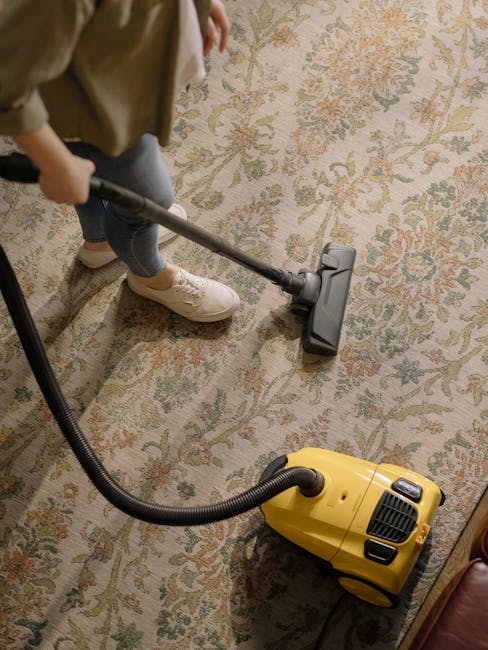
At its best, landlord carpet cleaning is a structured process. First the cleaner inspects the carpet, identifies the fibre type and staining issues, then chooses the right treatment. In practice, that may mean vacuuming, spot treatment, hot water extraction, low-moisture cleaning, or a combination of methods. The problem starts when the process is treated like a one-size-fits-all rinse.
The most common complications usually show up at one of four stages:
- Assessment problems: the cleaner misses the carpet type, backing material, or stain history.
- Preparation problems: furniture is not moved properly, edges are skipped, or heavy soiling isn't pre-treated.
- Cleaning problems: too much water, the wrong detergent, or uneven passes leave marks behind.
- Drying and handover problems: the carpet still feels damp, smells musty, or shows tide marks later in the day.
In a rental property, the stakes are a bit higher than in a normal domestic clean. The carpet is being judged against some expectation of "return condition," not just "looks better than before." That distinction matters more than people think. A landlord may want stain removal, odour control, and a neutral appearance. A tenant may just want to prove they left the place in good order. The job sits in the middle.
There's also the local reality of older Victorian and converted properties around Lambeth. Some carpets are more delicate than they look. Others have been cleaned so many times that the pile is tired, flattened, or patchy. A heavy-handed machine can make that worse, not better. So the method matters. A lot.
Key benefits and practical advantages
When carpet cleaning is done properly, the benefits are straightforward and genuinely useful. Not dramatic. Just practical.
- Cleaner handover: the property presents better during inspections and move-ins.
- Fewer disputes: clear records and visible results reduce arguments about condition.
- Better smell and feel: carpets can hold odours from pets, spills, and everyday wear; a good clean freshens the room.
- Longer carpet life: regular maintenance helps fibres last longer, especially in hallways and living rooms.
- Improved letting appeal: a clean carpet makes the whole property feel more looked after. Funny how that works, isn't it?
For landlords, this can support a smoother re-let. For tenants, it can support a stronger move-out position. For property managers, it means fewer awkward messages asking whether the stain is "new or old." Honestly, no one wants that email chain.
There's also a useful link between carpet cleaning and broader property presentation. If a flat is being prepared for sale or a fast turnaround, the wider context matters. Articles such as selling homes fast in Lambeth and investing with confidence in Lambeth real estate show how small presentation details can influence the bigger picture.
Who this is for and when it makes sense
This topic is most relevant if you fall into one of these groups:
- Private landlords who want carpets ready for new tenants without avoidable delays.
- Letting agents who need consistent standards and clear documentation.
- Tenants at the end of a tenancy who want to avoid cleaning-related deductions.
- Build-to-rent or portfolio landlords managing repeated handovers and tenant turnover.
- Property managers balancing cost, quality, and timing across multiple units.
It makes sense to arrange carpet cleaning when there is visible soiling, a tenancy ending, a refurbishment finishing, or an odour issue that won't shift with vacuuming alone. It also makes sense after a spill that has spread into the fibres. Waiting too long usually makes the job harder and more expensive, though exact pricing depends on carpet size, condition, access, and drying requirements.
If you're planning a larger move-out clean, carpet care often sits alongside other tasks. For a more joined-up approach, it can help to compare the needs of end of tenancy cleaning in Lambeth with your carpet-only requirements. Sometimes the issue is not the carpet alone. It's the whole property story.
Step-by-step guidance
Here's a sensible way to handle landlord carpet cleaning without turning it into a drama.
- Inspect the carpet properly. Look for traffic lanes, stains, odours, pet hair, water marks, and wear around furniture edges. Check lighting from different angles. Morning light can hide things; afternoon light can expose them.
- Identify the carpet fibre. Wool, synthetic, and blended carpets behave differently. If you clean a delicate natural fibre too aggressively, you may end up with shrinkage, browning, or a rough finish.
- Choose the cleaning method. Hot water extraction is common, but it is not always the best answer. Some carpets respond better to low-moisture methods, especially where drying time is tight.
- Pre-treat problem areas. Spot treatment for food, drink, makeup, and general grime helps prevent the "clean everywhere except the stain" problem.
- Clean edges and high-traffic zones carefully. Hallway edges, doorway thresholds, and under-sofa areas often hold the worst dirt. Those are the places people miss when they're rushing.
- Control moisture. Too much water causes long drying times and can leave marks or smells. Too little water can leave residues. The balance matters more than people expect.
- Check results before finishing. Walk the room in natural light if possible. What looks acceptable from one angle can still show shading, patchiness, or remaining stains.
- Allow proper drying. Good airflow helps. So does planning the timing. A freshly cleaned carpet before a same-day viewing can be risky if it's still damp.
If you're in a rush, that last step is the one to respect. A carpet that is technically cleaned but still wet can create more problems than it solves. Not ideal. Not at all.
Expert tips for better results
These are the practical details that tend to make the difference between an average result and one that actually stands up to inspection.
- Ask what happens with stains before the clean starts. Some marks need specialist treatment, and not every stain is removable. It's better to know upfront than argue later.
- Keep an eye on odours as well as appearance. A carpet can look clean and still carry a damp or stale smell, especially in closed rooms.
- Protect adjacent surfaces. Skirting boards, wooden thresholds, and nearby upholstery should be considered in the setup.
- Document the condition. Photos before and after are dull, yes, but very useful when anyone questions the outcome.
- Schedule cleaning with the tenancy timeline in mind. Leave enough time for drying, airing, and a final walk-through.
One small but important thing: if a cleaner says every carpet can be made "like new," be cautious. That's marketing, not reality. Wear, pile flattening, old stains, and sun fade are not magically reversible. A trustworthy cleaning plan will tell you what is removable, what may improve, and what simply won't move.
For local service context, the pages on carpet cleaning near Waterloo Station and upholstery cleaning near Lambeth Palace show how nearby property types can shape cleaning priorities. Different buildings, different access, different problems. You notice it after a while.
Common mistakes to avoid
This is where most avoidable problems begin. A few common errors crop up again and again.
- Booking too late: leaving carpet cleaning until the final day creates pressure and limits drying time.
- Using the wrong method: not every carpet should be treated the same way.
- Skipping a pre-inspection: if you don't know the carpet's condition first, you can't measure success properly.
- Ignoring hidden moisture: the carpet may feel fine on top but still hold water underneath.
- Assuming stain removal is guaranteed: some stains are permanent or partially permanent.
- Forgetting furniture marks: flattened fibres under heavy furniture may not recover fully. That's just reality, unfortunately.
- Chasing the cheapest option only: low quotes can look attractive, but they sometimes exclude important prep or revisit time. If you want to understand how pricing surprises happen, this guide to avoiding hidden charges in Lambeth cleaning quotes is worth a look.
Another mistake is treating carpet cleaning as a standalone task when the rest of the property is still dusty, damp, or unfinished. It's like polishing the front door while the hallway is full of paint dust. The result is technically clean but practically awkward.
Tools, resources and recommendations
You do not need a warehouse of equipment, but the right tools make a proper difference.
| Tool or resource | Why it helps | Common issue it solves |
|---|---|---|
| Good vacuum with strong suction | Removes loose dirt before wet cleaning | Prevents muddy residue and uneven results |
| Appropriate spot treatment | Targets stains before full cleaning | Helps with food, drink, and high-traffic marks |
| Hot water extraction or low-moisture system | Matches the method to the carpet type | Reduces over-wetting and fibre damage |
| Airflow or drying aids | Speeds up drying and reduces odour risk | Prevents damp smell and delayed handover |
| Before-and-after photos | Creates a simple condition record | Useful for disputes and inventory checks |
On the service side, useful background pages include the services overview, carpet cleaning in Lambeth, and insurance and safety. They help you think through what a professional setup should cover, especially when access, timing, or risk are involved.
For wider household cleaning needs, it can also help to compare carpet care with domestic cleaning in Lambeth or office cleaning in Lambeth if the property is used flexibly or has mixed spaces. Not every room needs the same treatment, obviously.
Law, compliance, standards, and best practice
Without drifting into legal advice, there are some practical UK expectations worth keeping in mind. A landlord or agent should be clear about the standard being applied, the evidence for any deductions, and the condition the carpet was in before cleaning. Good inventories and check-in/check-out records matter a lot here.
In ordinary practice, disputes are easier to resolve when there is a clear trail: dated photos, written notes, cleaning invoices, and a fair comparison between the start and end of the tenancy. That is not glamorous work, but it is the backbone of reasonable property management.
Best practice also means using sensible cleaning methods for the carpet type, following manufacturer guidance where available, and avoiding unnecessary damage. Over-wetting, bleach misuse, and abrasive scrubbing can all create more problems than they solve. If a carpet is delicate, the cleaner should say so. If a stain is likely to remain, they should say that too. Honesty saves everyone time.
For operators concerned with trust and process, related pages such as about us, terms and conditions, privacy policy, payment and security, and complaints procedure can help set expectations clearly before work begins.
Options, methods, or comparison table
Not all carpet cleaning methods are equally suitable for landlord handovers. Here's a simple comparison.
| Method | Best for | Strengths | Watch-outs |
|---|---|---|---|
| Hot water extraction | General deep cleaning, heavy soiling | Strong cleaning power, good for many synthetic carpets | Can over-wet if rushed; drying time matters |
| Low-moisture cleaning | Quick turnarounds, sensitive carpets | Faster drying, lower moisture risk | May need more detailed pre-treatment for stubborn stains |
| Spot treatment only | Minor localised marks | Fast and targeted | Doesn't solve overall soiling or odour |
| Dry compound cleaning | Some delicate or moisture-sensitive settings | Very low water use | Not always ideal for deeply embedded dirt |
There's no single "best" option for every flat in Lambeth. A compact rental near a busy road, a family home with hallway wear, and a top-floor conversion with limited ventilation all need different thinking. That's the honest answer.
Case study or real-world example
Here's a realistic scenario. A landlord is preparing a two-bedroom flat for new tenants after a long tenancy. The lounge carpet has a dark traffic lane from the sofa to the window, the hallway has a pale drink stain, and one bedroom smells slightly stale because it's been closed up for days.
The first attempt is rushed. A cleaner does a quick wet clean, but the carpet still looks patchy the next morning and the hallway stain has only partly faded. Everyone gets frustrated. The landlord wants a faster result, the outgoing tenant says they "paid for a clean," and the inventory clerk says the carpet is still not in acceptable condition. Classic.
What usually fixes this is a more careful second pass:
- spot treatment before full cleaning,
- method adjustment based on fibre type,
- better drying time,
- and a final inspection in daylight.
In the end, the carpet may not become brand new, but it can look tidy, neutral, and ready for the next occupant. That is often the real goal. Not perfection. Just a clean, fair, handover-ready finish.
Practical checklist
Use this before or during landlord carpet cleaning in Lambeth.
- Confirm the carpet fibre and condition.
- Check for stains, odours, wear, and hidden damp.
- Decide whether the job needs deep cleaning, spot treatment, or a mixed method.
- Make sure furniture movement is agreed in advance.
- Ask how long drying should take.
- Take before photos in good light.
- Allow enough time before inventory or new tenant check-in.
- Check whether skirting boards, thresholds, or upholstery also need attention.
- Keep written records of the agreed scope.
- Inspect the result before everyone leaves the property.
Key takeaway: most carpet problems are preventable when the inspection is careful, the method matches the carpet, and drying time is respected. That's the whole game, really.
If you're planning a clean around a move-out, a new tenancy, or a wider property refresh, it's worth exploring the supporting pages on end of tenancy cleaning in Lambeth and the broader blog for related local guidance. A bit of planning up front usually saves a lot of backtracking later.
Conclusion
The common problems with landlord carpet cleaning Lambeth are rarely mysterious. They usually come down to the same handful of issues: poor assessment, the wrong cleaning method, too much moisture, not enough drying time, and unclear expectations. Once you know what to look for, the whole process becomes easier to manage.
For landlords, the win is a smoother handover and fewer disputes. For tenants, it's a better chance of avoiding cleaning-related deductions. For agents and managers, it's a cleaner, calmer workflow. Simple enough. Not always easy, but simple enough.
To be fair, carpets can be a bit annoying. They hold onto everything and then pretend they're innocent. But with the right approach, most of the avoidable issues can be handled well, and the property ends up looking like someone actually cared for it. That matters.
Get a free quote today and see how much you can save.
And if you're still weighing up what level of cleaning is appropriate, take your time. A thoughtful clean is almost always better than a rushed one, and that little bit of patience pays off in the end.