End of tenancy cleaning Kennington Oval SE11
Posted on 15/05/2026
If you're moving out in Kennington Oval SE11, the last thing you want is a messy handover. End of tenancy cleaning Kennington Oval SE11 is the deep, detail-heavy clean that helps a rented home look properly cared for at check-out. It's not the same as a quick tidy before the movers arrive. It's the kind of clean that gets into oven racks, skirting boards, bathroom limescale, and those awkward corners where dust always seems to gather by Tuesday afternoon.
Whether you're a tenant aiming for a smooth deposit return, a landlord preparing the property for re-let, or an agent trying to avoid a time-consuming snag list, the goal is the same: present the home in a condition that matches the tenancy agreement and the inventory as closely as possible. Below, you'll find a practical guide to how it works, what really matters, and how to avoid the common mistakes that cause last-minute stress. If you want broader service context too, the services overview is a useful place to start.

Why End of tenancy cleaning Kennington Oval SE11 Matters
End of tenancy cleaning is about more than looking tidy. In most rental situations, a property needs to be returned in the condition expected by the tenancy agreement, allowing for fair wear and tear. That phrase matters. Tenants are not usually expected to restore everything to showroom condition, but they are expected to leave the property hygienic, presentable, and cleaned to a professional standard if that's what the agreement calls for.
Kennington Oval and the wider SE11 area have a mix of period homes, converted flats, apartment blocks, and managed rentals. That means the expectations can vary from one property to the next. A one-bed flat with engineered flooring and a compact galley kitchen has a different cleaning challenge from a larger maisonette with sash windows, high ceilings, and a bathroom that has somehow collected every bit of London moisture since winter. Same postcode, very different job.
Why does this matter so much? Because check-out inspections are usually compared against the check-in inventory. If the property is left with grease on cupboard fronts, stains on carpets, soap scum in the shower, or dust on light fittings, those items can become deductions or, at the very least, delays. Nobody wants a drawn-out conversation over an oven tray that could have been cleaned properly the first time.
Practical takeaway: the cleaner and more evidence-based the handover, the less room there is for dispute. That's the real value of a proper end of tenancy clean.
For readers comparing service standards across the borough, it can also help to read a little more about the local area and how homes here are lived in day to day. A couple of useful background reads are a local perspective on Lambeth and the quiet charm of the neighbourhood.
How End of tenancy cleaning Kennington Oval SE11 Works
A proper move-out clean follows a systematic sequence. It's not just "clean the bits people see." The best results come from working room by room, top to bottom, and finishing with the floors. That way, dust and debris fall downward as you go, instead of being pushed around repeatedly. Obvious, perhaps, but very easy to get wrong when you're racing a van hire slot and a final meter reading.
Most professional end of tenancy cleaning in Kennington Oval SE11 will begin with a walkthrough or booking form that identifies the size of the property, number of rooms, condition of the kitchen and bathrooms, and any extras such as carpets, upholstery, appliances, or balcony areas. From there, the clean usually covers:
- kitchen degreasing and appliance cleaning
- bathroom sanitising and limescale removal
- dusting of reachable surfaces, fixtures, and fittings
- interior windows and frames, where included
- spot-cleaning skirting boards, doors, and handles
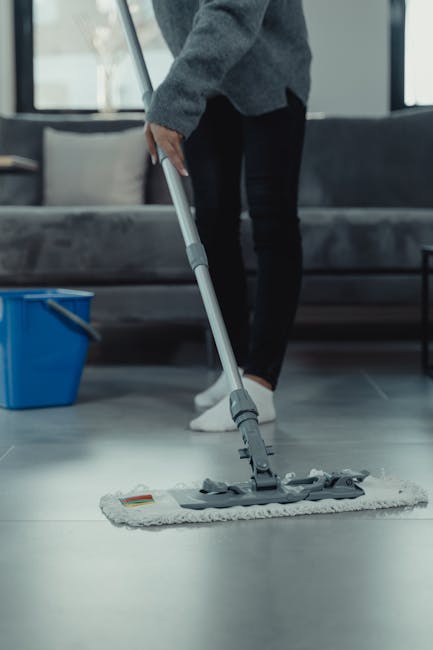
- vacuuming and mopping of floors
- carpet care if required
- final detail checks in high-touch areas
That last point matters. High-touch areas like switches, handles, taps, and appliance fronts often make the difference between a "looks fine" clean and one that actually passes inspection. You can see the same attention to detail reflected across the company's end of tenancy cleaning service in Lambeth, which is helpful if you're comparing what is typically included.
In practical terms, a good cleaner is not just moving a cloth around. They're checking residue, edge build-up, stubborn marks, and spots that collect grease or grime over time. Kitchens especially can take longer than people expect. Oven glass, extractor hoods, and cabinet tops are the classic surprises. Always are.
Key Benefits and Practical Advantages
The most obvious benefit is peace of mind. You're already dealing with removals, address changes, utilities, key returns, and the general chaos of moving. Having the property professionally cleaned removes one large task from the pile.
There are other advantages too:
- Better chance of a smooth check-out: a polished property reduces the number of cleaning-related notes on the inventory report.
- Time saved: an experienced team works faster and more consistently than most hurried DIY attempts.
- More complete results: professional equipment and specialist products help with grease, limescale, and ingrained dirt.
- Less stress for everyone: when both tenant and landlord can see the property has been properly prepared, the handover tends to go more calmly.
- Optional extras if needed: carpet cleaning or upholstery cleaning can be coordinated where the condition of the property needs it.
There's also a practical money angle, truth be told. If a tenant tries to clean everything at the last minute and misses a few major areas, it can be more expensive in the end than arranging a proper clean in advance. For pricing clarity, it may help to look at the provider's pricing and quotes information before booking.
And for landlords or agents, the benefit is straightforward: quicker re-marketing, fewer delays between tenancies, and a property that feels ready for viewings. In an area like SE11, where good rentals don't always sit around for long, that timing matters.
Who This Is For and When It Makes Sense
This service is for more people than you might think. It's not only for tenants who have run out of steam at the end of a tenancy. It's also for landlords, letting agents, property managers, and even homeowners preparing a property for sale or a long-empty period between occupiers.
It makes sense when:
- you are approaching the final days of a tenancy and need a full handover clean
- the property has carpets, upholstery, or appliances that need more than basic cleaning
- your tenancy agreement expects the place to be returned professionally cleaned
- you want to reduce the risk of deposit disputes over cleanliness
- you've already moved out and the property is empty, making access easier
- you're managing a fast turnaround between tenants and need the place ready quickly
It also makes sense if you've lived in the property for a while and normal weekly cleaning simply hasn't touched some of the hidden grime. Corners behind radiators, limescale around taps, or a kitchen fan cover that has quietly become a science project. It happens.
For landlords who maintain several properties or are planning a sale, the broader local insight on Lambeth real estate and property care can help frame why presentation matters so much. If the condition of the property is also affecting how quickly it can go back on the market, you may find this guide on moving properties on quickly useful too.
Step-by-Step Guidance
If you want a reliable outcome, the best approach is to treat the clean like a project. A bit of planning saves a lot of backtracking.
- Check the tenancy agreement and inventory. Look for any wording about professional cleaning, carpet care, or appliance condition. The inventory is the reference point, so don't skip it.
- Declutter and remove personal items first. Cleaning around boxes is awkward and inefficient. Empty rooms are much easier to clean properly.
- Flag problem areas early. Stubborn oven grease, pet hair, marks on walls, or mould-prone bathroom areas should be mentioned before the appointment.
- Choose the right scope. Basic clean, full end of tenancy clean, carpet cleaning, upholstery care, or a combination. Match the service to the property, not guesswork.
- Work room by room. Kitchen, bathrooms, bedrooms, living areas, hallways, then floors. This keeps the process structured and prevents missed spots.
- Do a final walk-through. Check light switches, sink rims, handles, skirting, inside cupboards, and behind doors. Small things matter here.
- Keep evidence if needed. Photos after cleaning can be useful if there's a later disagreement about the property condition.
A small but useful tip: if carpets are going to be cleaned, do them after the main dusting and surface work but before the very final inspection. That way, the room is fully reset and there's no need to walk across damp fibres more than necessary.
If you're arranging a broader domestic reset as well, a related service like domestic cleaning in Lambeth can be handy for households needing regular upkeep before or after the tenancy ends.
Expert Tips for Better Results
Here's where a little experience saves the day. The clean itself is one thing, but the timing and order make a bigger difference than people expect.
- Clean from the top down. Dust shelves, light fittings, and cupboards before floors. Otherwise, you're just cleaning the same dust twice.
- Use the right product on the right surface. Strong chemicals on delicate finishes can cause more damage than the original dirt. Wood, stone, glass, and stainless steel all behave differently.
- Don't ignore odours. Fridges, bins, drains, and soft furnishings can hold onto smells even when they look clean.
- Give bathrooms extra attention. Limescale and soap residue are common inspection points in London properties, especially where water marks build up quickly.
- Set aside time for the kitchen. The oven, hob, extractor, and cupboard handles usually take longer than expected. A lot longer, sometimes.
- Ask about specialist add-ons. Carpet or upholstery cleaning may be worth including if stains, pet traffic, or everyday wear are noticeable.
A good rule of thumb: if you think an area will only take two minutes, give it five. That's not pessimism. That's tenancy cleaning realism.
And if you care about service reliability, it's worth looking at a company's operational standards too. Pages such as insurance and safety and the health and safety policy help show how carefully work is carried out.
Common Mistakes to Avoid
Most cleaning disputes are not caused by dramatic disasters. They're caused by small oversights that build up into a disappointing inspection report. Here are the usual culprits.
- Leaving cleaning until moving day. Once removals begin, the property is harder to access and far easier to miss spots.
- Assuming "tidy" means "clean." A neat room with dirty skirting boards is still a dirty room, unfortunately.
- Forgetting inside cupboards and appliances. These are classic inspection points.
- Ignoring carpets and upholstery. Surface cleaning alone often isn't enough if there are stains or heavy foot traffic.
- Using the wrong products. This can leave haze, damage finishes, or spread grime rather than remove it.
- Not checking the tenancy agreement. Some contracts are more specific than people realise about what is expected at the end.
One small but common mistake is cleaning only where your eye naturally lands. That sounds sensible, but it's exactly how dust gathers on top of door frames, behind radiators, and on the edge of extractor fans. Those hidden places are where the awkward comments come from.
If you're ever unsure what the provider expects, the terms and conditions page can help clarify the service scope. That's one of those unglamorous reads that saves headaches later.
Tools, Resources and Recommendations
A good end of tenancy clean usually relies on a sensible mix of tools rather than anything exotic. The point is consistency, not magic. A decent toolkit normally includes microfiber cloths, non-abrasive sponges, a vacuum with attachments, mop heads suited to the floor type, glass cleaner, bathroom descaler, degreaser, and a few specialist products for tougher surfaces.
If carpets are involved, professional-grade extraction equipment is often more effective than a rented domestic machine, especially where stains or deep-soiled areas are present. The same goes for upholstery, which can look fine from a distance and still hold dust, crumbs, and everyday wear in the fibres.
Useful resources on the site that support this kind of planning include:
- carpet cleaning in Lambeth for fibre care and stain handling
- upholstery cleaning in Lambeth for sofas, chairs, and fabric furnishings
- about the company for background and service approach
- payment and security if you want clarity on booking confidence
For some clients, a practical first step is simply getting a quote and comparing it against the time, effort, and product cost of doing it yourself. If you've ever bought three different sprays for one bathroom and still ended up scrubbing at 10pm, you'll know why that comparison matters.
Law, Compliance, Standards, or Best Practice
End of tenancy cleaning is not usually governed by one single cleaning law, but it does sit within a wider UK rental framework. The key issue is contractual expectation. In plain English: the tenancy agreement, inventory, and check-out report matter more than a vague idea of what feels clean enough.
It is also sensible to keep fair wear and tear distinct from avoidable dirt or neglect. Normal signs of occupancy are one thing; grease build-up, heavy staining, and leftover waste are another. If there is a dispute, evidence matters more than opinions, so before-and-after photos, receipts, and a clear service description can be helpful.
From a provider perspective, best practice usually includes:
- clear booking information and service scope
- appropriate insurance and safety procedures
- careful product selection for the surfaces being cleaned
- respect for access arrangements and building rules
- transparent complaint handling if something needs reviewing
That last point is easy to overlook, but it matters. If you ever need to understand how post-service issues are handled, the complaints procedure page is the kind of operational detail that helps build trust. Likewise, a clear privacy policy and cookie policy are useful signs of a well-run website and business. Not glamorous, but reassuring.
For properties in shared blocks or managed developments around SE11, it's also wise to be considerate of noise, shared access, and lift use. A tidy professional process is not only cleaner - it's kinder to neighbours, which, let's face it, is never a bad thing in London.
Options, Methods, or Comparison Table
Not every move-out situation needs the same cleaning approach. The right choice depends on the property condition, the tenancy requirements, and the time you have left. Here's a simple comparison.
| Option | Best for | Pros | Limitations |
|---|---|---|---|
| DIY clean | Very small properties or light-use tenancies | Lower immediate spend, full control | Time-consuming, easy to miss detail, harder to achieve consistent results |
| Professional end of tenancy clean | Most rental move-outs | Detailed, efficient, better suited to inspection standards | Requires booking and budget planning |
| End of tenancy clean plus carpet cleaning | Homes with visible carpet wear, stains, or pet traffic | Stronger overall presentation, better for inherited odours or marks | May take longer and cost more than a basic clean |
| Full property refresh with upholstery care | Furnished or heavily used homes | Best for deep presentation improvements | Only necessary when fabric items genuinely need it |
If you are still deciding, a simple question helps: does the property need to be "looked after," or does it need to be "inspection ready"? Those are not always the same thing.
Case Study or Real-World Example
Picture a typical SE11 flat near the Oval. The tenant has packed most belongings, the living room is empty, and the kitchen looks decent at first glance. But the oven door has grease in the corners, the bathroom mirror has spots, the inside of the fridge smells faintly sweet and strange, and the carpet in the hallway has picked up dull traffic marks by the entrance. Nothing dramatic. Just enough to matter.
In a situation like that, a structured end of tenancy clean tackles the most likely inspection points first. The kitchen is deep-cleaned, the fridge is emptied and sanitised, bathroom fixtures are descaled, and the floors are finished after the dust has been removed from higher surfaces. If carpet cleaning is added, the hall looks noticeably fresher too. Not brand-new, because that would be unrealistic, but properly presented. And that's the point.
What usually changes the outcome is not one miraculous product. It's sequence, consistency, and detail. A tenant who tries to do everything in two hours before the key handover often ends up cleaning the visible areas and missing the hidden ones. A professional approach is calmer, more thorough, and honestly a lot less frantic.
For properties that are being prepared for viewings or a quicker turnaround, nearby reading such as local lifestyle and venue ideas may sound unrelated, but it gives a decent feel for how active and mixed the area is. Homes here are lived in hard, so they need a sensible clean at the end of the cycle.
Practical Checklist
Use this as a final sense-check before the inventory visit or key return.
- All personal belongings removed from the property
- Kitchen counters, cupboards, and splashbacks cleaned
- Oven, hob, extractor, and fridge cleaned as required
- Bathrooms descaled, sanitised, and polished
- Skirting boards, handles, switches, and ledges wiped
- Floors vacuumed and mopped where appropriate
- Carpets treated if stains or heavy wear are present
- Upholstery freshened if furniture is included in the tenancy
- Windows, frames, and sills cleaned if included in the scope
- Bins emptied and waste removed
- Light fittings and reachable fixtures dusted
- Final photos taken for your own records
Quick reminder: if you've got time for only one final pass, do the kitchen and bathroom again. Those rooms tend to influence the inspection more than almost anything else.
Get a free quote today and see how much you can save.
Conclusion
End of tenancy cleaning in Kennington Oval SE11 is really about removing friction from the move-out process. Done properly, it helps tenants protect their deposit, gives landlords a property that feels ready to re-let, and makes the handover less tense for everyone involved. That's worth a lot when moving day is already full of noise, boxes, tape, and the slightly alarming mystery of where the kettle went.
The best approach is simple: know what the tenancy expects, clean methodically, and focus on the areas that matter most in inspections. If the property needs extra care, pair the main clean with carpet or upholstery treatment. If you want confidence in the process, check the service details, the safety information, and the pricing before you book. Small bits of preparation make the whole thing go smoother.
And when it's all done, there's a quiet satisfaction in standing in an empty, freshly cleaned room with the windows open a crack and that clean, just-finished smell in the air. A decent handover. No fuss. Just done properly.