Upholstery cleaning near Lambeth Palace
Posted on 23/05/2026
Upholstery cleaning near Lambeth Palace: a practical local guide for cleaner, longer-lasting furniture
If you live, work, or manage a property near Lambeth Palace, upholstery cleaning is one of those jobs that quietly makes a big difference. Sofas, armchairs, dining chairs, banquettes, and office seating collect dust, skin oils, drink spills, pet hair, and the general drift of city life. Nothing dramatic. Just everyday wear that slowly dulls fabric and makes rooms feel a bit tired.
That is exactly why upholstery cleaning near Lambeth Palace matters. Done well, it can freshen a room, improve comfort, and help furniture last longer without that overwashed, flat look people sometimes worry about. In this guide, you will find a clear explanation of how the process works, what to expect, when it is worth doing, and how to choose the right approach for your fabric and situation. If you are weighing it up against other local cleaning needs, you may also find the broader services overview helpful, especially if you want to combine upholstery with carpets or domestic cleaning in one visit.
Truth be told, most people leave upholstery cleaning until there is a visible mark or an obvious smell. Fair enough. Life gets busy. But the better approach is usually a little earlier than that, before soiling settles deep into the fibres and becomes more stubborn to remove.
Why Upholstery cleaning near Lambeth Palace Matters
Upholstery does a lot of work in a home or workplace. It is touched constantly, sat on all day, and often absorbs more than people realise. In a busy London setting near Lambeth Palace, that means a steady mix of dust, traffic-related grime, moisture from coats and umbrellas, and the usual spills from tea, coffee, wine, or the odd pastry crumb. It all adds up.
Cleaning upholstery is not only about appearances. It also helps maintain the texture of the fabric, keeps colours from looking greyed-out, and reduces the build-up of embedded dirt that can make seating feel rough or stale. If you have ever sat on a sofa that looks fine but somehow still feels unclean, you already know the problem.
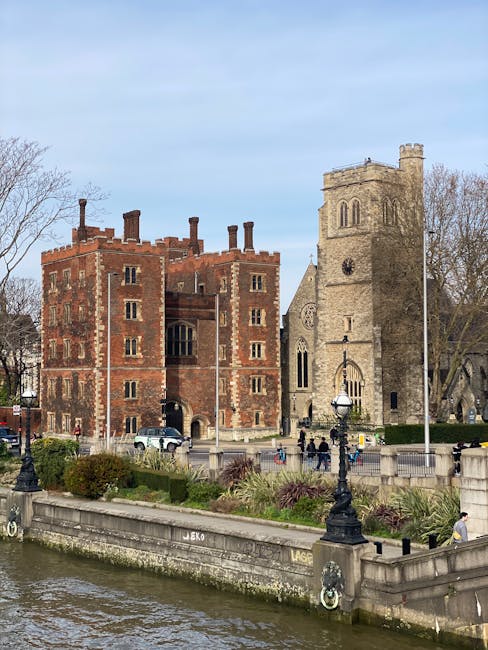
There is also a practical side. Furniture is expensive, and replacing a good sofa because of avoidable soiling is rarely the best use of money. A proper clean can extend its usable life by months or years, depending on how it is used. That is especially important for landlords, small offices, hospitality spaces, and family homes where seating gets constant attention. For wider local context, the local perspective on Lambeth gives a sense of how varied the area can be, from busy residential streets to more formal surroundings near the Palace.
And let's face it, first impressions matter. A freshly cleaned sofa in a reception room can quietly change how a space feels. Cleaner. Calmer. Better cared for. That is a small thing until it is not.
How Upholstery cleaning near Lambeth Palace Works
Most professional upholstery cleaning starts with inspection. The cleaner checks the fabric type, construction, colour fastness, staining, and any wear or damage. This matters because upholstery is not one-size-fits-all. A wool blend armchair, a synthetic office bench, and a delicate linen sofa all need different handling.
The next stage is usually vacuuming and dry soil removal. That sounds basic, but it is one of the most important steps. Loose grit behaves like sandpaper. If you skip this, you risk rubbing dirt deeper into the fabric during the wet cleaning stage.
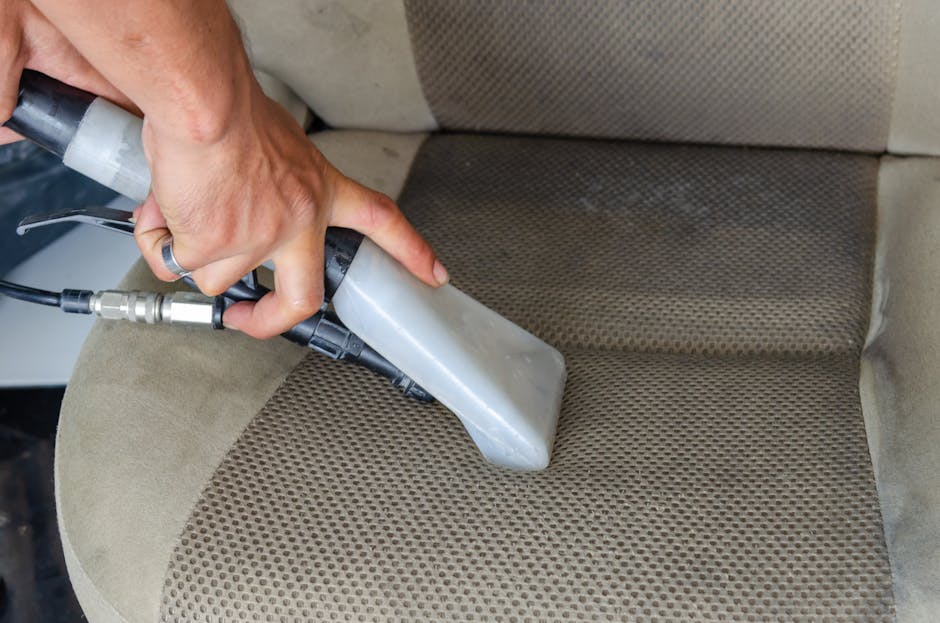
After that, a suitable cleaning method is chosen. In many cases, a low-moisture hot water extraction or fabric-safe encapsulation process is used. Some items are better treated with a controlled foam or specialist solvent-based approach, especially if the fabric is sensitive to water. The aim is always the same: lift soil without over-wetting the material or leaving residue behind.
Spot treatment may be used for stains such as drink marks, food spills, or dark traffic grime on armrests. But a cautious cleaner will always test a small hidden area first. That is not being fussy. That is avoiding a very awkward colour-change conversation later.
Finally, the upholstery is groomed if appropriate and left to dry under proper ventilation. Drying times depend on fabric, method, airflow, and room temperature. A warm room with open windows usually helps. A muggy, shut-up room with the heating blasting and no airflow? Not so much.
Key Benefits and Practical Advantages
The obvious benefit is a cleaner-looking sofa or chair. But the real value goes beyond visual freshness.
- Improved appearance: Everyday dirt, dull patches, and light marks are lifted, helping furniture look brighter and better kept.
- Better comfort: Clean upholstery feels more pleasant to use, especially on armrests and headrest areas that collect body oils.
- Longer fabric life: Removing abrasive dirt can reduce wear, helping seating last longer before it needs replacement.
- Odour reduction: Spills, pets, cooking smells, and general use can settle into fabric; a proper clean helps reduce lingering odours.
- Healthier indoor environment: Dust and allergens can build up in textiles, so cleaning may help create a fresher-feeling space.
- Better presentation for guests or clients: Useful in homes, rentals, offices, and any space where people judge quickly.
For a property that is being prepared for viewings, occupancy, or day-to-day professional use, upholstery cleaning can be a high-impact task. It often makes more visible difference than people expect, particularly if the furniture sits in natural light near windows. Late afternoon sun has a way of revealing everything, doesn't it?
If you are pairing it with other cleaning work, it may also be worth looking at carpet cleaning in Lambeth or domestic cleaning in Lambeth so the whole room feels cohesive rather than half-done.
Who This Is For and When It Makes Sense
Upholstery cleaning makes sense for more people than you might think. It is not just for luxury homes or commercial lounges. In practice, it helps anyone with fabric furniture that gets regular use.
Homeowners and tenants
If your sofa is the main family seat, it is probably taking more wear than you realise. Parents will know the pattern: snacks, fingerprints, muddy sleeves, and the occasional mysterious stain that no one admits to. If you are moving out or preparing a property for new occupants, upholstery cleaning is often a smart add-on to end of tenancy cleaning in Lambeth.
Landlords and letting agents
Clean furniture can support a more presentable rental property. It signals care, which matters when prospective tenants are comparing options. A tired-looking sofa can drag down the feel of an otherwise tidy room.
Offices and shared spaces
Waiting areas, meeting rooms, and breakout spaces all benefit from clean seating. If clients or staff use those areas daily, upholstery quickly becomes part of the visible standard. For that reason, it is sensible to consider scheduled visits alongside office cleaning in Lambeth.
Hospitality, event, and short-stay spaces
Even one noticeable stain can change how a guest perceives a room. If you host regularly, or if a property is used for events, furniture hygiene becomes part of the experience. There is a useful local angle here too; spaces connected to social events in the area, like those mentioned in this Lambeth party guide, often rely on furnishings looking neat and inviting.
Step-by-Step Guidance
If you want to understand what a good upholstery clean should involve, here is the process in plain English.
- Identify the fabric. Check labels if available, and note whether the item is synthetic, natural fibre, mixed fabric, velvet, leather, or suede-like material. Different fabrics behave differently.
- Inspect for stains and wear. Look for rings, dark armrest marks, pet areas, sun fading, stitching weakness, and existing damage.
- Vacuum thoroughly. Use an upholstery tool to lift dust, crumbs, hair, and grit from seams, piping, and cushions.
- Test a hidden spot. A small patch test helps reduce the risk of colour bleed or texture change.
- Apply the right cleaning method. The method should match the material and soiling level, not the other way round.
- Work stain by stain, then clean the whole item. This avoids patchy results and "clean circles" around only the visible marks.
- Extract or wipe residue carefully. Leftover detergent can attract new dirt. That is a common mistake.
- Speed up drying. Use airflow and sensible room conditions. Don't sit on the sofa too soon unless you enjoy damp elbows.
- Check the result in natural light. Sometimes a mark looks gone at first, then reappears when the fabric is dry.
In a real-world home, this often means a cleaner arrives, inspects the main sofa first, and then decides whether the armchairs or dining seats need the same method. That flexible approach is usually better than forcing every item through the same process.
Expert Tips for Better Results
Good upholstery care is partly about cleaning and partly about avoiding unnecessary damage in the first place. A few small habits go a long way.
- Vacuum regularly. Even a quick weekly pass helps prevent grit from working into the fibres.
- Blot spills immediately. Use a clean cloth and press gently. Rubbing usually makes matters worse.
- Rotate cushions. If your seating allows it, rotate cushions to spread wear more evenly.
- Use protection thoughtfully. Fabric protectors can help in some cases, but only if they suit the material and are applied correctly.
- Control sunlight exposure. Strong sunlight can fade fabric unevenly, especially near windows.
- Think about the room as a whole. If carpets are also heavily used, a combined clean may be the better value.
One small but useful tip: if a stain has already been treated at home with different products, tell the cleaner exactly what was used. People often forget this. Then the residue reacts badly, and the "simple stain" becomes less simple. Not ideal.
If you want to keep your local knowledge sharp while dealing with a move, sale, or refurbishment, the article on selling homes fast in Lambeth is a helpful reminder that presentation is never just about paintwork. Soft furnishings matter too.
Common Mistakes to Avoid
Most upholstery problems come from rushing, guessing, or using too much product. Here are the mistakes that cause the most frustration.
- Using the wrong cleaner: Household stain removers can bleach or set marks, particularly on dyed fabrics.
- Soaking the fabric: Too much moisture can lead to long drying times, wicking, water rings, or even mildew risk.
- Skipping the patch test: It feels like an unnecessary delay until it saves you from a visible colour change.
- Scrubbing hard: Friction can distort pile, spread the stain, or damage the weave.
- Ignoring the furniture label: Manufacturer guidance exists for a reason, even if the symbols are a bit annoyingly cryptic.
- Cleaning only the stain: Spot treatment alone can leave obvious edges or shade differences.
- Putting cushions back too early: Trapped moisture can leave a musty smell and slow the drying process.
Another mistake is assuming every fabric can be cleaned the same way. It cannot. A careful technician will tailor the method, and that is usually where the better results come from. Simple, really, but people still get caught out.
Tools, Resources and Recommendations
You do not need a van full of equipment to understand what good upholstery cleaning involves, but it helps to know the basics.
- Upholstery vacuum attachment: Useful for seams, piping, and corners.
- Soft-bristled fabric brush: Helps lift surface dust before deeper cleaning.
- Microfibre cloths: Good for blotting spills without leaving lint behind.
- Fabric-safe cleaning solutions: These should match the material and the level of soiling.
- Air movers or good ventilation: Helpful for faster, safer drying.
- White towels or absorbent pads: Useful when dealing with fresh spills or after extraction.
If you are looking for service information, the upholstery cleaning page for Lambeth is the most direct place to start. For pricing questions, you may also want to check pricing and quotes, because the right job estimate depends on fabric type, access, item count, and stain level.
For customers who want to understand the wider business approach, the pages on about us, insurance and safety, and health and safety policy help build confidence before booking. That sort of transparency matters, especially if the furniture is in a busy household or shared workspace.
Law, Compliance, Standards, or Best Practice
For upholstery cleaning, the main point is not usually a specific law aimed at the cleaning process itself, but rather sensible compliance and best practice around safety, treatment of property, and use of cleaning products. In the UK, professional cleaners are expected to work carefully, use appropriate products, and avoid causing avoidable damage. That sounds obvious, but it is worth saying.
If upholstery is in a workplace, there is also a basic duty to keep the environment reasonably safe and well maintained. That does not mean every fabric chair must be immaculate at all times. It does mean visible contamination, slippery residues, or strong lingering odours should be dealt with promptly.
From a practical best-practice angle, a trustworthy service should:
- inspect the item before cleaning,
- explain any limitations clearly,
- carry out patch testing when needed,
- use suitable products for the fabric,
- avoid over-wetting,
- communicate expected drying times,
- and tell you if a stain is likely to improve rather than vanish completely.
That last point matters. Honest expectations are a sign of professionalism. No one benefits from overpromising on a fabric that has already been badly damaged, dyed, or faded.
If you want extra reassurance about how a provider handles customer information and payments, the pages on payment and security and privacy policy are useful reading. It is the unglamorous stuff, but it matters.
Options, Methods, or Comparison Table
There are several ways upholstery can be cleaned, and the best option depends on the fabric, drying space, and how heavily the item is soiled. Here is a simple comparison.
| Method | Best for | Pros | Things to watch |
|---|---|---|---|
| Hot water extraction | Many synthetic fabrics and general soil build-up | Deep cleaning, good soil removal, strong refresh | Needs careful moisture control and sufficient drying time |
| Low-moisture encapsulation | Light to moderate soiling, faster turnaround | Quicker drying, less saturation, convenient for busy spaces | May be less effective on heavy staining |
| Foam or dry foam cleaning | Delicate fabrics that need controlled cleaning | Gentler on moisture-sensitive items | Still needs proper residue removal and careful technique |
| Solvent-based cleaning | Certain delicate or specialist textiles | Useful where water is unsuitable | Requires strong product knowledge and good ventilation |
For most households near Lambeth Palace, the choice is usually between low-moisture methods and extraction, with the final decision guided by the furniture label and fabric condition. A good cleaner will not force a method just because it is their favourite. That's a red flag, frankly.
Case Study or Real-World Example
Here is a realistic example from a typical property near the Palace, with details kept general. A two-bedroom flat had a pale fabric sofa in the living room, used daily by a couple and their small dog. Over time, the sofa had picked up dulling around the seat area, light paw marks on the lower panels, and a faint smell that became noticeable in the evenings.
The first step was a full inspection. The fabric was suitable for a controlled wet-cleaning approach, but only after a patch test. Dry vacuuming removed a surprising amount of hair and grit from the seams. Then the cleaner treated the high-contact areas first, followed by the full sofa to even out the finish.
The couple had tried a supermarket spray on one mark near the armrest, which had helped slightly but left a pale residue. That residue had to be worked around carefully. In the end, the sofa looked fresher and the odour was greatly reduced. Not brand-new, because real life does leave a mark, but much cleaner and far more presentable.
What made the difference was not a miracle product. It was method, patience, and using the right approach for the fabric. In other words, the boring stuff done properly. Which, honestly, is often the secret.
If the property had also needed hard floor or carpet attention, it would have made sense to schedule it alongside carpet cleaning near Waterloo Station or a more general fabric-and-floor refresh. Small efficiencies add up, especially when you are trying to keep a home looking calm rather than chaotic.
Practical Checklist
Use this quick checklist before booking or cleaning your upholstery.
- Check the fabric label or any care instructions.
- Note the main stains, marks, and odours.
- Take a few photos in natural light if you want to track improvement.
- Decide whether the item needs a spot clean or a full clean.
- Clear the surrounding area so access is easy.
- Tell the cleaner about any prior DIY treatments.
- Ask about drying time and aftercare.
- Consider bundling with carpets, mattresses, or domestic cleaning if it makes sense.
- Make sure the room can be ventilated afterwards.
- Keep pets and children off the item until it is fully dry.
Practical summary: the best upholstery clean is usually the one matched to the fabric, carried out with restraint, and followed by sensible drying. If those three pieces are in place, results are usually solid.
Conclusion
Upholstery cleaning near Lambeth Palace is one of those jobs that quietly improves daily life. It makes rooms feel lighter, seating feel better, and properties look more cared for. Whether you are a homeowner trying to refresh a favourite sofa, a landlord preparing for new tenants, or a business wanting a cleaner reception area, the logic is the same: fabric furniture needs regular attention if you want it to keep looking its best.
The key is to match the method to the material, avoid harsh shortcuts, and treat stains before they settle too deeply. That alone prevents a lot of avoidable hassle. And if you are combining this with other local cleaning work, there is a tidy pathway through the rest of the site, from carpet cleaning in Lambeth to broader cleaning services.
Get a free quote today and see how much you can save.
Sometimes the simplest upgrade is the one you feel the moment you sit down. Fresh fabric, cleaner air, less fuss. Nice, really.